More than three million schoolchildren in England estimated to need support with social and emotional development
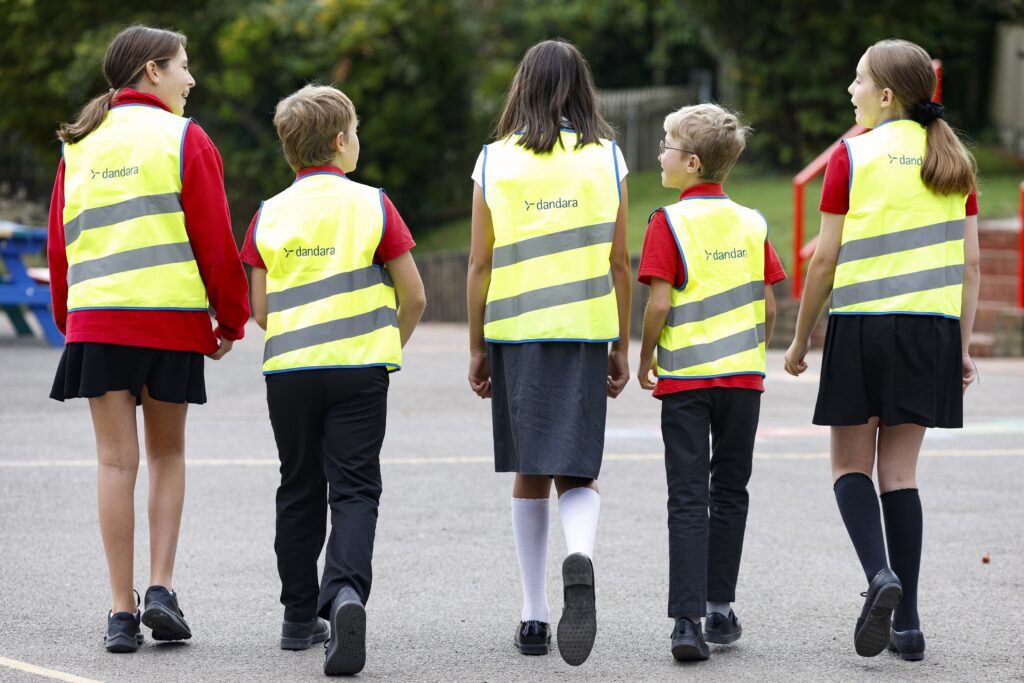
Children’s social and emotional development is facing a crisis in England, according to new data which highlights a sharp rise in the number of school pupils facing difficulties.
Analysis released by education charity nurtureuk suggests that nearly 1 in 6 (15.6%) school children aged 5-16 now have a high level of social and emotional needs, up from 1 in 10 (10.3%) in 2018 – a jump of more than 50% [1].
Combined with the 27% of schoolchildren with moderate needs, the analysis suggests that nearly half of all schoolchildren in England (43%) now need support with social and emotional development – equating to more than three million pupils.[2]
Many are struggling with fundamental skills such as managing their emotions, building positive relationships, and concentrating and behaving in the classroom.
The data comes from nurtureuk’s Boxall Profile® Online – the most popular tool in state-funded schools for measuring Social, Emotional, and Mental Health functioning [3].
Arti Sharma, Chief Executive, nurtureuk, said: “These figures paint a bleak picture for children in England. So many are in need of urgent help if they are to succeed in school and life.”
The report follows an emergency motion earlier this year by NASUWT – The Teachers’ Union, which highlighted the struggle that many teachers were facing to meet the behaviour needs of their pupils.
Arti Sharma added: “Our findings highlight how much schools are having to help children with urgent social-emotional needs. This adds pressure on teachers who don’t always have the tools they need.
“But we know that something can be done. By identifying and addressing social-emotional needs early on, we can improve pupils’ wellbeing, behaviour, and readiness to learn, while also preventing far greater social and financial costs down the road.”
School exclusions – usually prompted by challenging and disruptive behaviour in the classroom more than doubled between 2017/18 and 2023/24 [4], with last year’s excluded cohort estimated to cost the Treasury in the region of £1.9bn. [5]
The report highlights schools, working with nurtureuk to identify and address children’s social and emotional development needs, which are seeing improved behaviour and attendance, reduced suspensions and exclusions.
One example is Forest Academy primary school in Croydon, where 70% of pupils are eligible for free school meals. Since working with nurtureuk, the school, which has around 200 pupils, has managed to cut suspensions to zero, down from a peak of seven in 2021/22.
Swabra Lloyd, Headteacher at Forest Academy, which was recently announced by the government as one of its 21 ‘Attendance and Behaviour Hubs’, said: “It’s really quite simple – once you have happy children, they want to be in school.
“Using the Six Principles of Nurture and the Boxall Profile® Online, we can identify children experiencing social and emotional difficulties much more easily, and also put in place the support that’s needed for them to thrive.
“Ultimately, we believe our children learn best when they feel safe, understood, valued and have a strong sense of belonging.”
Nurtureuk is calling for universal social-emotional assessment in schools, supported by DfE statutory guidance, and investment in whole-school nurturing approaches.
The charity’s analysis was discussed at an Inclusion and Nurture in Education All Party Parliamentary Group event on 11 November.