The Care Effect: New Research Reveals Brits Are Turning To Micro-Responsibilities as Self-Care
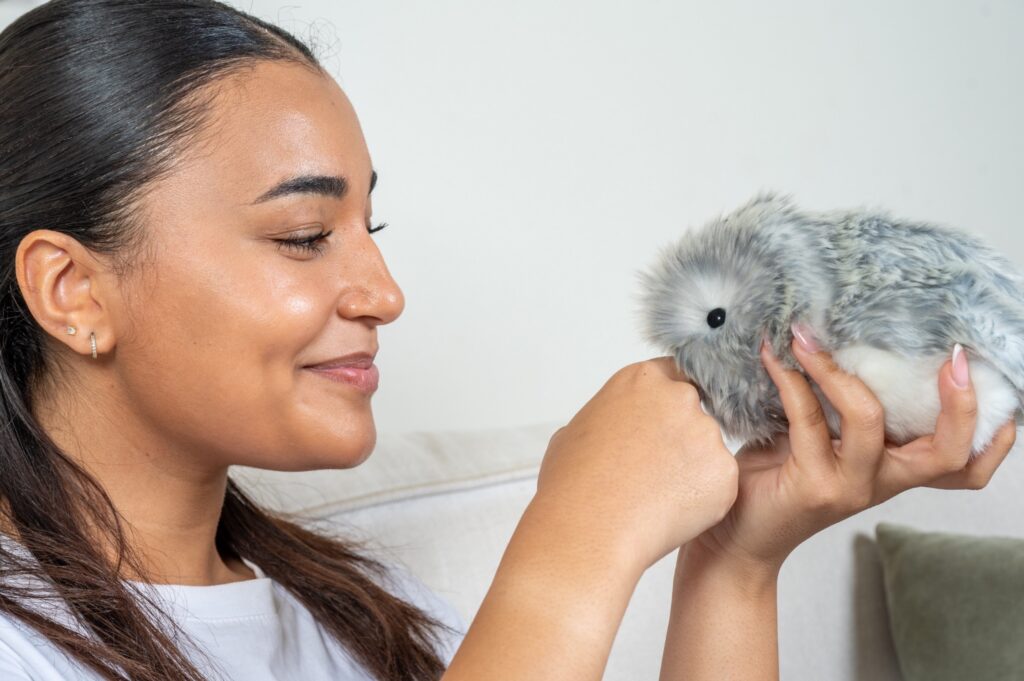
To mark Mental Health Awareness Week, new research conducted by CASIO’s palm-sized emotional companion, Moflin reveals that micro-responsibilities, like caring for something else, can play a powerful role in supporting our mental wellbeing.
In an era where people can feel increasingly overwhelmed and out of control, the poll of 2000 Brits1 reveals that 57% of UK adults believe that the act of caring for something else – whether it’s an object or a living thing – is a valuable form of self-care, with 64% revealing that doing so makes them feel better.
The research also found that 89% of people – including 91% of Gen Z – believe it is vital to educate children about practicing self-care from an early age, with just 22% taught about it themselves as children. Meanwhile, the nation said the greatest benefits of educating children about self-care are that it encourages healthier sleep, hygiene and nutrition habits (31%), helps manage their emotions (28%) and supports better mental wellbeing (27%).
With the most common drivers of self-care being ‘to take a moment for oneself’ and ‘for some quiet time’ – Moflin, the emotionally intelligent AI companion from CASIO, can help people of all ages to find calm in their daily lifestyle using micro-responsibilities.
A Moflin is far more advanced than a simple toy robot. They can recognise a human voice, react to affectionate gestures such as cuddles or petting, and learn their owner’s habits and rhythms over time. A Moflin’s personality and emotional reactions evolves fully over 50 days and are uniquely dependent on their owner on how they are raised, allowing for more than 4 million possible emotional profiles.
Dr. Zoe Williams has teamed up with Moflin to underline the Care Effect: the importance of looking after something else and the positive mental benefits this can bring to someone’s own selfcare routine and wellbeing.
Dr. Zoe Williams said: “We’re seeing a shift in how people think about self-care – it’s becoming more personal and less prescriptive. The research shows that self-care doesn’t have to mean spa days or meditation; it can be found in caring for something else, whether that’s a plant or a treasured object. This ‘Care Effect’ creates an external form of mindfulness, helping to calm the nervous system, clear the mind and restore a sense of balance. Moflin offers people of all ages a simple way to bring mindfulness into everyday life, which can complement and enhance traditional relaxation methods.”
Ironing, washing the car and having a pet feature in a new list out today of the top 30 go-to self-care methods for Brits, appearing alongside more traditional acts such as going for a walk, reading, and listening to music / podcasts. The study, carried out through OnePoll, found the typical adult practices self-care four times a week, and for just over three hours during an average seven-day period.
A spokesperson for CASIO, makers of Moflin – a smart companion powered by AI which has emotions like a living creature, which commissioned the research, added: “As the study shows, looking after something else has major benefits to oneself. Whether that’s tending to your home, your car, or even a pet, these small acts can create a sense of calm and control, especially when life feels busy or overwhelming. There’s a real emotional reward in caring for something outside of yourself.”
As awareness of mental wellbeing grows across the UK, so does the demand for supportive technologies. The market for emotionally supportive AI is projected to grow from approximately £666 million in 2022 to £2.2 billion by next year, based on current exchange rates2. In response to this trend, Moflin offers a new kind of emotionally responsive experience through daily interaction and care.
Along with the multiple positive mental benefits a Moflin can bring to someone’s life, owners can also download the MofLife app to visualise their Moflin’s emotional state via animated displays and track interactions through graphs and daily insights.