The UK’s friendliest neighbourhoods revealed, with one unexpected area taking the top spot
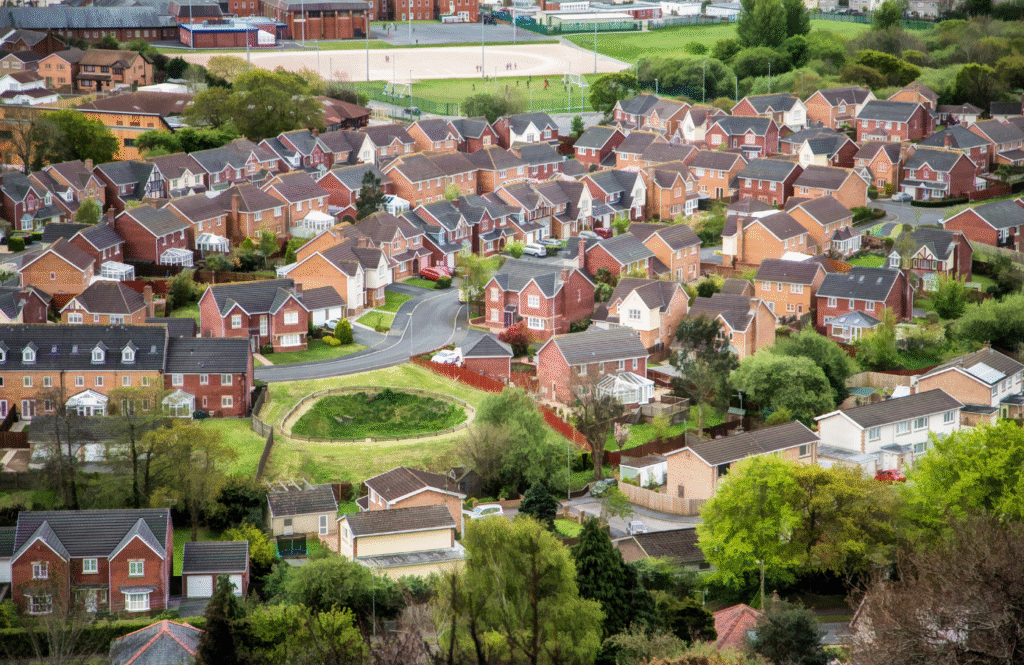
Homebuyers across the UK are rethinking what makes the “perfect place to live”, and it’s no longer just about the property itself.
While house prices and transport links remain important, new research [1] reveals that buyers are increasingly prioritising the wider neighbourhood experience, including safety, access to green space, local amenities, and a strong sense of community.
To uncover which areas deliver the best overall quality of life, John D Wood & Co. has analysed neighbourhoods across the country to create a Neighbourhood Appeal Index. The ranking combines key lifestyle indicators, including anti-social behaviour levels, homeownership rates, access to cafés and community spaces, green space availability, local council award wins and interest in local events.
These are the UK’s friendliest neighbourhoods
When all factors are considered together, three locations stand out for offering the strongest mix of safety, community and lifestyle:
1. Sutton, London
Sutton ranks first overall, achieving the strongest combined performance across the indicators analysed in the Neighbourhood Appeal Index. The south London borough benefits from relatively moderate anti-social behaviour levels, with 15.6 reports per 1,000 residents, alongside strong homeownership levels, with around 65% of properties owned outright or with a mortgage. Higher ownership levels often indicate a stable residential base where many residents choose to stay for longer periods, helping to shape a more settled neighbourhood environment.
The borough also performs well across several lifestyle indicators that contribute to day-to-day liveability. Sutton records 10.36 social amenities per 10,000 residents, including community spaces that support local activity, while residents have access to an average of 5.84 public gardens within a 1,000-metre radius, offering easy access to green space. The area’s seven council award wins for community initiatives further highlight ongoing efforts to support neighbourhood engagement, helping explain why Sutton achieves the highest overall score in the index.
2. Chester, Cheshire
Chester ranks second overall in the Neighbourhood Appeal Index and stands out particularly for its strong performance on safety indicators. The historic city, located in north-west England close to the Welsh border, records just 7.7 anti-social behaviour reports per 1,000 residents, the lowest rate across all neighbourhoods included in the study. Chester also benefits from high homeownership levels, with 69.4% of properties owned outright or with a mortgage, suggesting a stable residential base where many residents choose to settle long-term.
Alongside these factors, the city performs well across several lifestyle indicators that contribute to neighbourhood appeal. Chester records 8.84 social amenities per 10,000 residents, including cafés, pubs and community spaces that support everyday social activity, while residents have access to an average of 4.84 public parks, gardens or playing fields within a 1,000-metre radius. The local council has also received five awards recognising its work within the community, reflecting ongoing efforts to support neighbourhood engagement and local development.
3. Liverpool, Merseyside
Liverpool ranks third overall in the Neighbourhood Appeal Index, performing strongly across several community engagement indicators included in the study. Located in the North West of England along the River Mersey, the city has long been known for its strong local identity and active community culture. Liverpool records 13.5 anti-social behaviour reports per 1,000 residents, placing it in a moderate position compared with other neighbourhoods analysed, while Google searches for community events have increased by 33% among residents over the past year, suggesting growing interest in local activities and neighbourhood engagement.
One of the city’s most notable achievements in the index is its ten local council award wins recognising community-focused initiatives and neighbourhood development, placing Liverpool second overall for this metric across the entire study. Access to green space also contributes to the city’s overall ranking, with residents having an average of 6.84 public parks, gardens or playing fields within a 1,000-metre radius, offering a strong supply of nearby outdoor space. While Liverpool ranks slightly lower on some residential stability indicators, including 2.79 social amenities per 10,000 residents and homeownership levels of 48.09%, placing it 41st for owner-occupied properties, the city’s exceptionally strong performance in community engagement helps secure its position among the highest-ranking neighbourhoods overall.