Planning a beach day with your dog? PDSA shares five simple tips to keep your pet safe this summer
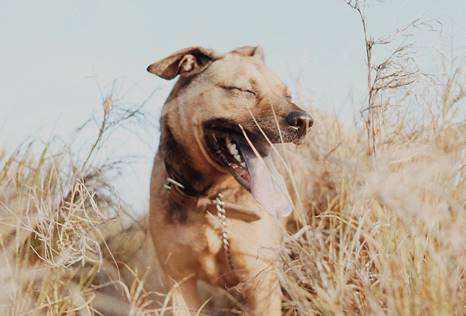
With thousands of people heading to Britain’s beaches during the hot weather and over the bank holiday, leading vet charity PDSA is urging pet owners to think beyond packing a picnic and a ball, by following five simple steps to help keep their dogs safe.
While beaches offer the perfect place for dogs to run, swim and explore, they also present hidden hazards such as strong sea currents, sharp objects lodged in the sand, jellyfish and in some area’s dangerous cliff edges. PDSA Vet Nurse Shauna Walsh is encouraging owners to prepare before they travel to help ensure a safe day out at the beach.
PDSA Vet Nurse, Shauna Walsh said: “A trip to the beach is one of the highlights of summer for many dogs, but it’s important to remember that the seaside comes with its own set of risks. A little planning before you leave home can make all the difference and help ensure your day out is memorable for all the right reasons.”
PDSA’s Top Five Tips for Keeping Your Dog Safe at the Beach:
1. Check before you go: not every beach welcomes dogs throughout the year. Many have seasonal restrictions or designated dog areas, so check before you go to avoid disappointment.
2. Don’t let the sea breeze fool you: dogs can still suffer from heatstroke, even on breezy or overcast days. Pack plenty of fresh drinking water, provide shade and avoid visiting during the hottest part of the day. If the sand is too hot for your feet, it’s too hot for your dog’s paws.
3. Be cautious around the water: never force your dog to swim if they don’t want to. Always check lifeguard flags, tides and sea conditions before allowing them into the water. If your dog gets into difficulty, don’t enter the sea after them. Instead, call 999 and ask for the Coastguard.
4. Keep clear of cliff edges: dogs can become distracted by wildlife or exciting new smells. Keep them on a lead when walking near cliffs and stick to marked paths to avoid unstable edges and sudden gusts of wind.
5. Watch out for hidden hazards: broken glass, fishing hooks, sharp shells, jellyfish and washed-up seaweed can all pose risks. Prevent your dog from drinking seawater or eating sand, as both can cause serious stomach problems.
Shauna added: “One of the best things owners can do is come prepared. Taking fresh water, a travel bowl, towels, poo bags, toys less likely to collect sand and a basic pet first aid kit means you’ll be ready for whatever the day brings.”
“Our dogs rely on us to keep them safe. By taking a few sensible precautions and knowing when conditions aren’t right, owners can enjoy everything the beach has to offer while protecting their pets from avoidable dangers.”
PDSA recommends that you ensure your dog is microchipped and vaccinated before travelling and advises pet owners to carry out a quick post-beach routine of rinsing dogs with fresh water after swimming to remove salt.