Workout Hair Anxiety Sends One in Seven London Fitness Fans Straight Home as September Reset Begins
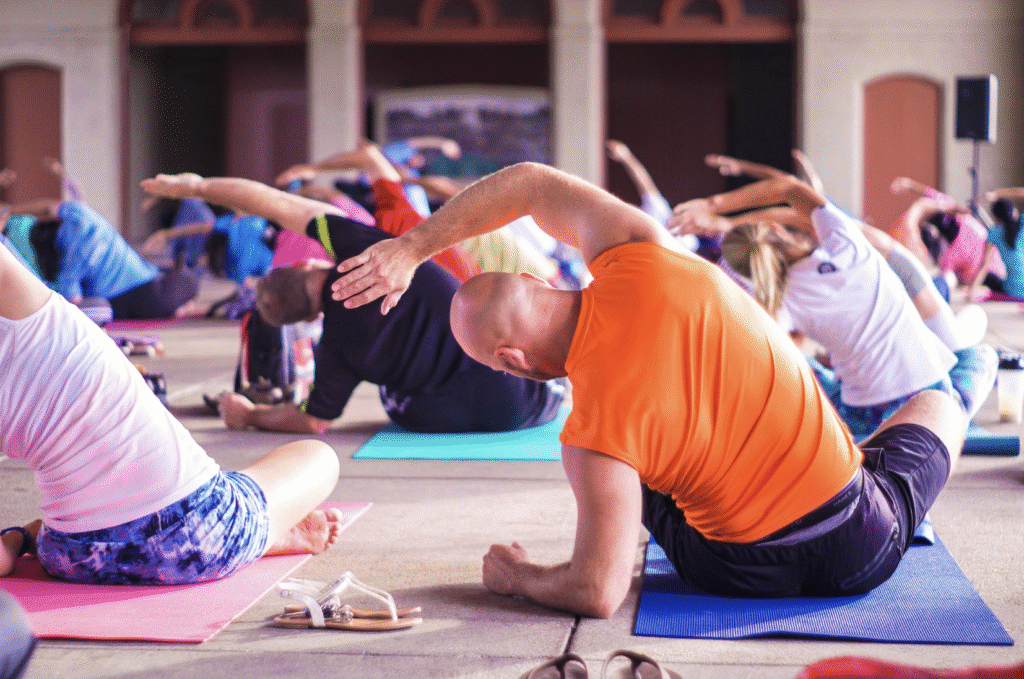
As September sees people return to familiar routines and recommit to health and fitness goals, one in seven (14%) London fitness fans say concerns about their hair or scalp have caused them to go home rather than socialising after exercise – the highest proportion of any UK region and almost double the national figure of 8%.
The new research, commissioned by Polytar, found that 69% of London exercisers report at least one way their scalp or hair has affected their confidence or exercise habits. This is the highest regional proportion in the UK, compared with 51% nationally.
The findings are particularly relevant in the capital, which has the country’s most gym-engaged population. More than half (57%) of Londoners have a gym membership, compared with 38% nationally, while 41% say they regularly attend the gym.
For some Londoners, post-workout scalp symptoms and concerns about how their hair looks are changing how they exercise and what they do afterwards:
Workout confidence: Almost a quarter (24%) feel self-conscious while exercising – the highest proportion of any UK region – while 22% feel self-conscious about sweaty or greasy-looking hair.
Visible symptoms: Nearly one in five (19%) worry other people can see flakes or scalp irritation, again the highest regional figure, while 10% avoid exercising with other people.
Workouts built around hair: Almost one in ten (9%) plan exercise around their hair-washing routine. More than a third (37%) use dry shampoo instead of washing or rinsing after every or most workouts.
As Londoners get back into their fitness routines this September, these concerns can continue beyond the workout itself. Almost three in five (58%) London exercisers wash or rinse their hair more frequently when exercising in warmer weather – the highest figure of any UK region. One in eight (12%) shorten their workouts because of their scalp or hair, while 8% avoid exercising outdoors; both are the highest regional proportions.
The wider research shows this is not simply a cosmetic concern. Nationally, more than half (51%) of people who experience scalp symptoms say exercise makes them worse, which equates to around 18 million Brits*, while three in five (61%) experience symptoms after every, most or some workouts. Younger adults are particularly affected, with 72% of 18-to-24-year-olds who experience post-workout symptoms reporting them this frequently.
For those with scalp conditions or experiencing recurring flaking or irritation as they return to regular exercise this September, Trichologist Marta Teixeira explains that maintaining an appropriate scalp care routine can help manage symptoms, particularly during periods of increased physical activity.
Marta said, “When we exercise and sweat, a mix of perspiration, natural oils and everyday debris builds up on the scalp. That build-up and trapped heat can encourage Malassezia, a yeast that lives on everyone’s scalp and is closely linked to dandruff and seborrhoeic dermatitis. For people prone to those conditions, that’s often when flare-ups, itching and flaking appear.
“It’s a common misconception that you need to reduce your workouts to protect your hair, or equally, that you must aggressively over-wash it. The goal isn’t avoiding sweat, but managing post-workout scalp hygiene effectively. Incorporating a targeted, medicated scalp care treatment into your routine helps clear sweat build-up and calm inflammation without stripping the scalp’s protective barrier.”
image.png
Credit: Polytar
37-year-old Ross Berridge from Norfolk has lived with severe scalp psoriasis for over 15 years, a condition that spread from his scalp to visible areas on his forehead, eyebrows and face. Ross knows firsthand how physical exertion and sweat can aggravate an already sensitive scalp:
“When you live with a condition like scalp psoriasis, staying active can feel like a double-edged sword. Working out is crucial for my stress levels, but the moment sweat sits on my scalp, it acts as an instant trigger for aggressive flare-ups, intense itching and sore red patches around my hairline.
“For a long time, the discomfort and fear of visible flare-ups after exercising made me rethink how often I worked out. However, building a consistent post-workout scalp care routine, including washing regularly with Polytar, has been the backbone of keeping my symptoms under control so I can stay active without triggering a cycle of inflammation.”
For those looking to manage persistent scalp conditions such as dandruff, seborrhoeic dermatitis or scalp psoriasis, Polytar provides effective targeted relief. Formulated with Coal Tar Solution 4%, it features a gentle exfoliating action to help remove dead skin cells and scale build-up, while its anti-inflammatory and antiseptic properties actively soothe irritation and support overall scalp health.
As people use September’s “new January” feeling to return to exercise and establish healthier routines, the research is a reminder that scalp and hair concerns can have an impact far beyond appearance, influencing confidence, exercise habits and plans after a workout.
Whether heading back to the gym, joining a new fitness class or meeting friends after a workout, looking after your scalp can help ensure that sweat and scalp concerns do not get in the way of staying active this September.