Londoners most likely to switch heating on straight away as temperatures start to drop
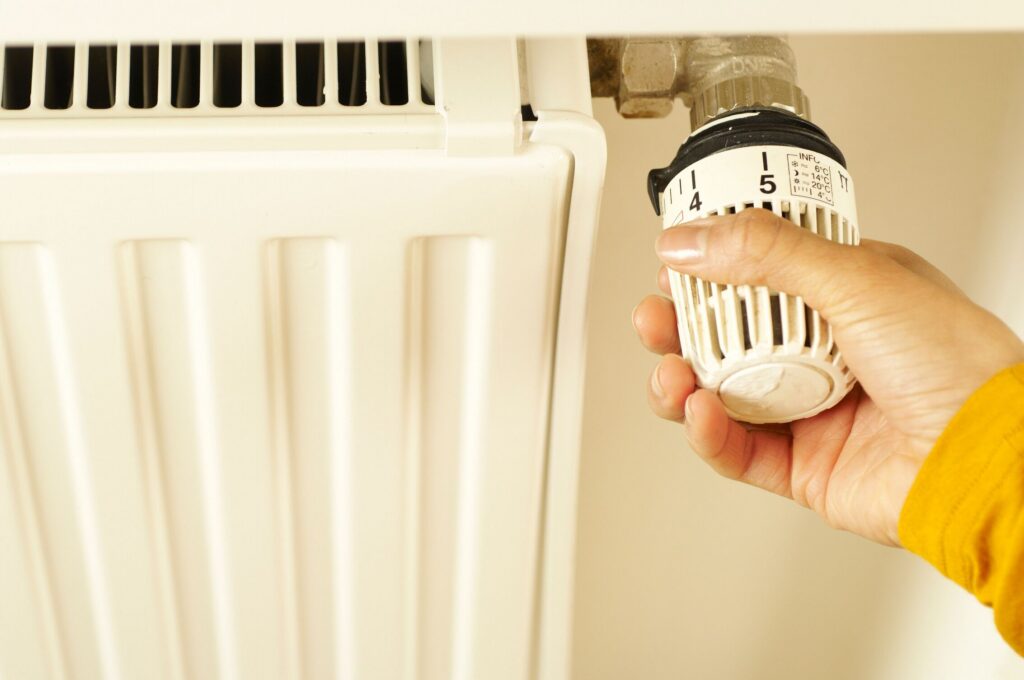
Londoners are more likely than people in any other region to switch their heating on straight away when temperatures begin to fall, new research from energy company Calor has revealed.
More than a quarter (26%) across the capital say they reach straight for the thermostat, compared with 11% nationally, while 15 October has emerged as the average date London households turn their heating back on, one day earlier than the national average of 16 October.
Despite cold weather approaching, over one in seven (15%) say they do nothing to prepare before using their heating regularly again, prompting calls for households to use the weeks ahead to carry out simple safety checks ahead of winter.
With the average switch-on date now only days away, less than a third (31%) across the city say checking or testing their carbon monoxide alarm forms part of their preparations before their heating comes back into regular use.
Londoners also appear less likely than the national average to hold off switching their heating on because of cost. Just 16% say they delay doing so for as long as possible for financial reasons, compared with 22% nationally.
The findings come as households prepare for colder weather and higher energy costs this autumn. Ofgem’s energy price cap will rise by 4% from 1 October for a typical household using gas and electricity on a default tariff and paying by Direct Debit.
With London households expected to start switching their heating back on from around 15 October, Calor is encouraging people to use the time beforehand to check when gas appliances were last professionally serviced, test carbon monoxide alarms and make sure heating systems appear to be working as expected.
Over half (52%) say they check their radiators before using their heating regularly again. More broadly, national findings show 48% say they have a carbon monoxide alarm that they test regularly, while nearly a third (32%) have one but admit they do not test it regularly.
Steve Doggrell, Retail Appliance Controller at Calor, said: “Our research suggests 15 October is the average date households across London turn their heating back on, which gives people a useful window now to make sure their heating systems and gas appliances are ready for colder weather.
“Rather than waiting until the first chilly day, use the weeks ahead to test your carbon monoxide alarm, check when your gas appliances were last professionally serviced and look out for anything that does not seem right. If a service is due, arranging it before your heating is back in regular use can help you head into winter with confidence. Any gas work should always be carried out by an appropriately qualified Gas Safe registered engineer.”
The findings also suggest gas cooking appliances can be easier to overlook when households think about servicing and maintenance.
The majority (77%) of people with a gas boiler or heating system say it has been professionally serviced within the last 12 months. By comparison, 21% of those with a gas hob, oven or cooker say the appliance has either never been professionally serviced, or they do not know when it last was.
The research also highlights gaps in confidence around gas safety among London households.
One in five (20%) are not confident they could recognise the signs that a gas appliance may not be working correctly, while nearly half (46%) say spotting the signs of a problem is an area where they would like more information or advice.
One in five (20%) say they are most likely to think about gas safety when something is already wrong, reinforcing the value of conducting checks before appliances are brought back into heavier use over winter.
Calor’s five checks to prepare for colder weather:
Check servicing dates
Know when your gas appliances were last professionally serviced and, if a service is due, arrange this before they return to regular use.
Test your carbon monoxide alarm
Check it regularly and follow the manufacturer’s instructions to make sure it is working. Also make sure the alarm’s expiry date hasn’t passed and arrange a replacement if it has.
Know the warning signs
Look out for signs that a gas appliance may not be working correctly, including dark soot or staining around the appliance and floppy yellow flames instead of crisp blue ones. If a gas appliance does not seem to be working correctly, stop using it and seek advice from a gas safe registered engineer rather than waiting for the problem to worsen.
Check your heating and portable heaters
Make sure radiators, pressure and controls are working properly. If using a portable LPG heater, check the appliance, regulator, hose and connections for signs of wear or damage before use. Calor advises replacing portable-heater regulators after 10 years and hoses at least every five years, or immediately if damaged.
Use a qualified professional
Gas work should be carried out by an appropriately qualified Gas Safe registered engineer.