Tories slam Chancellor’s ‘sleight of hand’ on energy bills
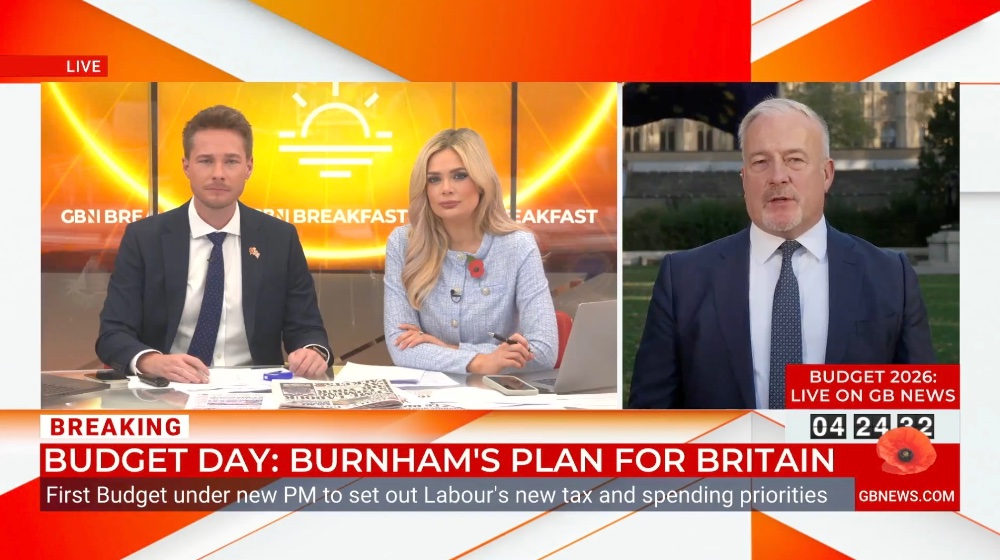
Richard Fuller, Shadow Chief Secretary to the Treasury, has criticised the government for “sleight of hand” by scrapping standing charges on household fuel bills.
He told GB News: “We know there’s a problem with energy prices coming down the track. That’s why the Conservatives last year actually announced that cheap energy plan to get rid of VAT on people’s energy bills and roll back some of the net zero taxes that burden people’s bills.
“But what Labour is doing is really sleight of hand. They’re moving it from one aspect of your energy bill or your taxes, and putting it somewhere else. Under the Conservatives, of course, we would make the tougher decisions on public spending, so the actual energy bills and people’s taxes would be coming down.”
On possible increases in tax on banks and online retailers, he said: “Well, that may be where the Chancellor goes, but of course, someone’s going to pay in the end.
“Banks lend people money; they give mortgages. People who buy through Amazon often go to online retailers because they get a good price, it’s not like those companies are going to absorb their costs. They’re going to pass them on to people.
“People who want to buy a new house will find their mortgage rates – perhaps they won’t be lending to a small business. You’ll find prices going up when you buy things from an online retailer. So this sleight of hand that Labour has, the problem here is that John Healey is using a lot of rhetoric and has very little substance.
“We have the defence secretary saying to us last week that we have to prepare for war within 1,000 days, and we had last week the national debt go through £3 trillion. That’s £100,000 for every household in the country of government debt, what is the Chancellor doing about those big issues?
“In retrospect, I’m sure the people on the Titanic wish the captain had focused on missing the iceberg, not working out what tunes would be played by the orchestra. The chancellor is falling short of what the times demand, and no amount of rhetoric, however pleasing it may sound to the ear, is going to change the facts of the British economy.”