Claims of ‘overtreatment’ of prostate cancer are stopping us from saving lives, warns charity
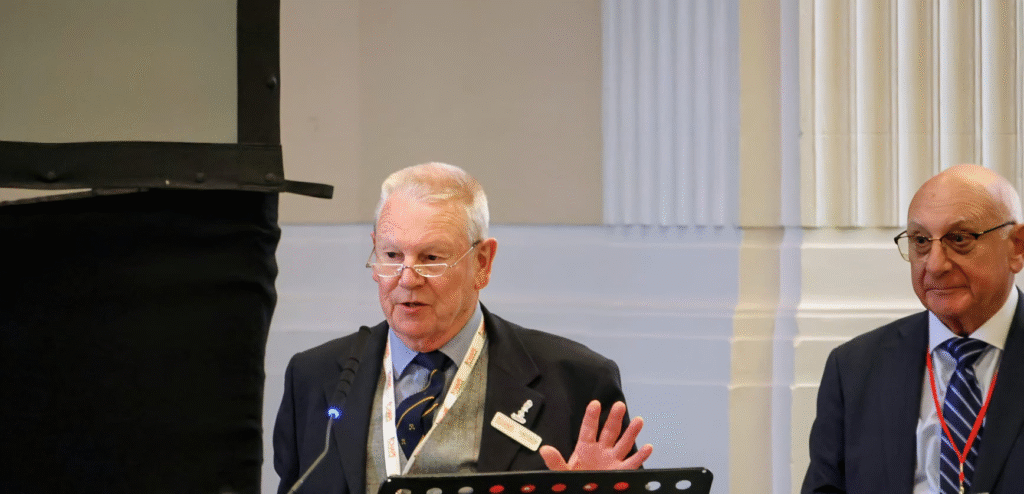
A leading men’s health charity has welcomed Rishi Sunak’s demands for an expanded prostate cancer screening programme in the UK.
CHAPS, which runs prostate cancer screening events across the UK, backed the former prime minister when he argued that the decision to reject broader testing relied on a flawed model.
Prof Chris Booth, a retired urological surgeon and founder of CHAPS, warned that claims of ‘overtreatment’ for men with a raised level of Prostate Specific Antigen (PSA) are stopping the NHS from saving lives.
“Only seven percent of people diagnosed with prostate cancer which is classed as ‘clinically insignificant’ undergo active treatment rather than the usual clinical pathway of active surveillance,” said Prof Booth, who is calling for a national screening programme for prostate cancer.
“This is recorded in the annual UK National Prostate Cancer Audit as ‘overtreatment’ – or ‘unnecessary treatment’.
“But in my experience, those who do receive treatment for clinically insignificant cancers do so for a variety of reasons which are often entirely reasonable.”
Overtreatment is the term applied to treatment of non-aggressive Prostate Cancer (PCa), that is a cancer as seen down a microscope but which does not have the biological potential to spread and kill.
Earlier this year, the National Screening Committee decided against rolling out wider population screening for prostate cancer through prostate specific antigen (PSA) blood tests.
The committee cautioned that screening is “more likely to cause more harm than good in the whole population”, as subsequent treatments can trigger side effects including incontinence and impotence.
“We have been told we cannot have a nationwide programme because of the risks of ‘overtreatment’ but for years, this number has been under ten percent and to use this as a reason is wrong,” said Prof Booth.
“I’d go so far as to say the so-called harms of screening, which in reality is a very small percentage of men with clinically insignificant cancer receiving treatment, is being exaggerated and is preventing the greater benefits of screening from saving more lives.”
Prof Booth also warned that the SCHARR Report, on which the National Screening Committee based its recommendation, was independently assessed and found to be “not fit for purpose”.
“On the basis of scientific evidence accepted by the EU Council and Parliament, half the countries in Europe are now running PCa screening programmes or pilot studies for all men aged 45-75,” he said. “Remember, 70% of men diagnosed with PCa have no known risk factors. So, to be effective, screening must be comprehensive, not limited to a minority with known risk factors.”
“Although current screening starts with a PSA test, it is only a preliminary guide: MRI+/- biopsy is the definitive test for prostate cancer. Screening programmes starting with PSA can as much as halve PCa mortality and this is what we should be aiming for.”
The term “Prostate Cancer” covers a range of cancers going from non-aggressive – or harmless – to moderately aggressive through to very aggressive cancer – which will cause death.
And Prof Booth said the rate of overtreatment will remain low and should get lower if MRI screening is more commonly used because it does not show clinically insignificant cancers.
“Most men with a raised PSA, which could be caused by benign factors, will not have a biopsy if an MRI has not detected any signs of cancer. This means their clinically insignificant cancer, which would be picked up from a biopsy won’t be, leading to a reduction in clinically unnecessary treatment.”