Vet issues warning that darker walks could expose this one dog health problem
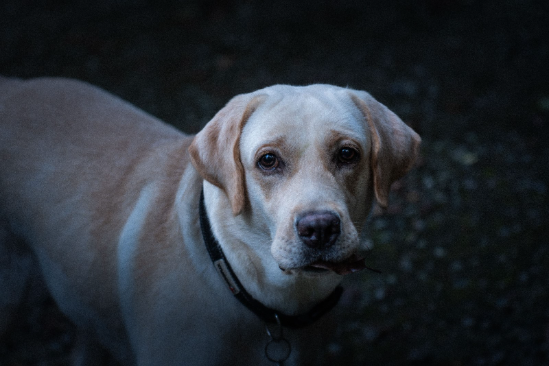
With sunset before 5pm across much of the country through December and January, many owners are walking their dogs in darkness before and after work. A vet advises that the change in light levels can reveal eyesight problems in dogs that may have gone unnoticed
during the lighter summer evenings.
Dr Emma Chandley, a vet working alongside
pet
insurance brand Petgevity, explains the signs of declining eyesight owners should look out for:
“Sight
problems can develop gradually, and dogs often adapt well to changes in their vision by relying on their other senses. This can make early signs difficult to spot, particularly in familiar surroundings
and during daylight. As the days get shorter, reduced light may make vision problems more noticeable. A dog that was happy to go out into the garden in the evening in August might become hesitant or clumsy by November, while a previously adventurous dog may
start staying closer to you for reassurance.”
Common signs your dog may be struggling with their eyesight include:
Seeming nervous or reluctant to go out after dark
Hesitating at kerbs, steps or doorways
Bumping into furniture, walls or other objects
Staying closer to you than usual on walks
Being more easily startled
Changes in the appearance of the eyes, such as cloudiness or redness, or increased watering
Squinting or rubbing their eyes
“It’s important not to put these changes down to old age or a dislike of the colder weather. Dogs can develop changes in their eyesight as they get older, and conditions such as cataracts can affect their vision.”
Claims data from Petgevity shows cataracts are making up a growing share of claims, rising from 0.22% of all claims in 2024 to 0.27% in 2025.*
“Some causes of sight loss can be treated, so getting your dog checked by a vet promptly gives them the best opportunity for appropriate treatment. This is particularly important when out and about in
public
spaces. If you notice any changes in your dog’s vision, arrange a vet appointment. If their eye is red, swollen or appears painful, seek urgent veterinary attention.”