New UK steel tariff will ‘jeopardise manufacturing’ and make domestic fabrication unsustainable’ says Tadweld MD
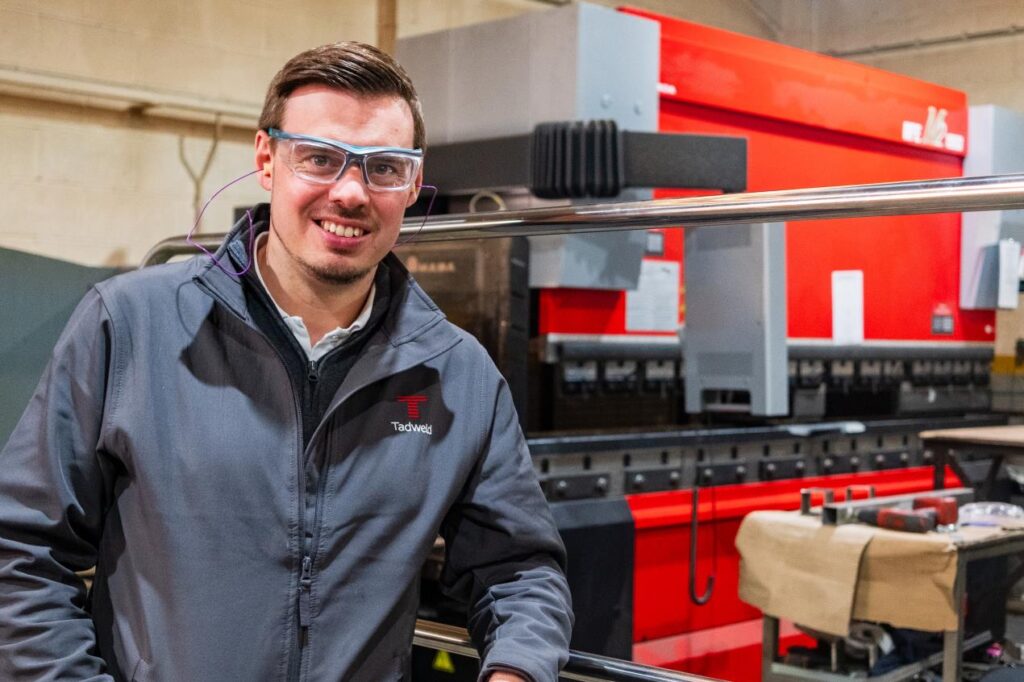
Managing Director of Tadweld, a leading Yorkshire-based steelwork manufacturer, has issued a warning that new UK steel tariff measures risk devastating the UK steelwork sector, threatening jobs, businesses and the long-term future of British industry.
Recent changes to UK trade policy, including tariffs of up to 50% on imported raw steel and restricted quotas, were introduced to protect domestic steel producers. However, reporting highlights a potential critical loophole allowing pre-fabricated and finished steel products to enter the UK tariff-free, effectively bypassing these protections.
While the policy aims to support primary steelmakers, if loopholes are not closed it could have the opposite effect on companies like Tadweld that rely on steel to manufacture finished products. Overseas competitors would be able to:
Produce and partially fabricate steel abroad
Export it into the UK without tariffs
Undercut UK manufacturers on price
At the same time, UK firms face rising raw material costs due to the tariffs, creating an uneven and unsustainable competitive environment.
Chris Houston, Managing Director at Tadweld says the new tariffs will make the UK one of the most expensive places to buy steel in the world. He says;
“Instead of supporting UK Steel producers by addressing the uneven playing field they are currently experiencing with the highest energy costs in Europe, this approach pushes the problem downstream to everybody in the construction and steel fabrication industries instead. Now our industries will likely be paying the highest prices for steel in Europe. It will make it almost impossible for UK steel fabricators to complete internationally.”
He continues; “This policy intends to provide support to the UK steel industry, but in fact it only helps the 6 companies who manufacture steel in the UK; Tata Steel UK, British Steel, 7 Steel, Marcegaglia, Specialty Steel UK and Sheffield Forgemasters, but it adds significant costs to the 1,200 steel fabrication businesses, and in turn the 400,000+ construction businesses who use steel every day. There isn’t much point having a competitive steel producing sector if there aren’t any consumers left to buy it.”
Tadweld Dec 2025_0213
Several key uncertainties remain with the announced policy, which is due to go live on the 1st July 2026. There appears to be a transition period with the government exploring a “transitional approach” where the 50% tariff might not apply to goods under contracts agreed before 14 March 2026, and imported between July and September 2026. There is also major concern from industry about a ‘pre-fabricated’ loop-hole, where steel that had already had holes cut in it, or a small amount of welding, would be exempt from the tariffs.
Houston added: “If this loophole remains, we will see the slow erosion of UK manufacturing capacity. This is not just about steel – it’s about the future of British industry. Every investment, every job, and every innovation is at risk unless the government acts to close this loophole and create a fair, competitive environment for domestic manufacturers. Regardless, this policy handcuffs our export ability, but if pre-fabricated steel is allowed to be imported tariff free, it will decimate our steel fabrication sector.”
Without urgent intervention, the consequences could include:
Significant job losses across manufacturing
Factory closures throughout the UK
Reduced requirement for domestically produced steel
Increased reliance on imported, finished goods
Industry leaders have warned that the loophole could “lead to job cuts and factory closures,” as UK firms are priced out of their own market.
Rather than strengthening the sector, the policy may ultimately erode the very industrial base it seeks to protect.