UK’s economic stability at risk while uncertainty lingers over Iran deal, says Jacob Rees-Mogg
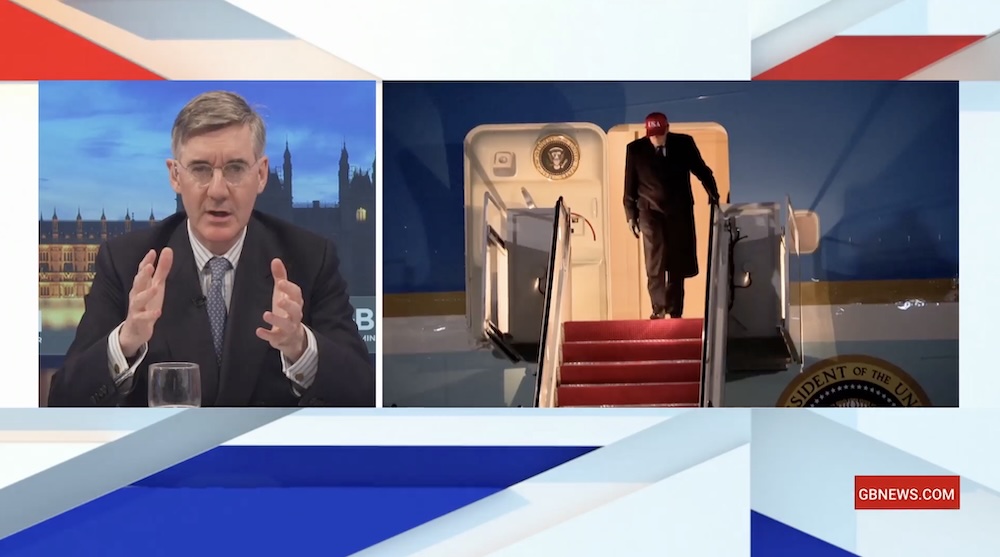
Unanswered questions over a potential deal between the US and Iran pose substantial risks to economic stability in the UK, Jacob Rees-Mogg has said.
He said on GB News: “As the United States’ conflict with Iran continues to harm the world’s economy, President Trump is telling us that he is on the verge of a peace deal with the regime to end the strikes and re-open the Strait of Hormuz.
“But the more we are told about a possible Trump Iran deal, the less clarity we seem to get. There are reports an agreement is close. President Trump says progress is being made, yet every detail is unresolved.
“What’s being discussed is reportedly a temporary ceasefire, not a full peace deal, that would pause the conflict and create a framework for further negotiations. Nothing appears to have been agreed.
“United States officials are acknowledging the scepticism inside the administration about whether Iran’s leadership will agree to what President Trump proposes. So, what we do know so far that Iran would reportedly pause uranium enrichment for a period, and in return, America would gradually lift sanctions and release frozen Iranian assets.
“Most importantly, there are discussions around re-opening the Strait of Hormuz, which is crucial for global energy supplies, but all of it is conditional. Even the timeline for re-opening the strait seems to be tied to future outcomes rather than immediate guarantees.
“From a United Kingdom perspective, this is cause for economic uncertainty. We know how sensitive the markets are to developments in the region. Oil prices rose significantly when shipping through the Strait of Hormuz was disrupted, and even rumours of a deal have helped put prices back down.
“This affects Britain. Affects us directly. Higher oil and gas prices influence fuel costs, food prices, transport, manufacturing and inflation. The Bank of England is monitoring the situation, because energy costs have a major effect on interest rates and economic stability. We can already see the markets reacting.
“Traders have reduced expectations for future interest rate rises because they believe a deal could ease pressure on energy prices. Meanwhile, businesses are warning about continuing volatility and higher operating costs even if an agreement were reached. Optimism is growing, but there is no certainty.
“The White House believes progress is being made, but there are still unanswered questions about whether Iran will agree, whether a ceasefire will hold, and whether any arrangement would last. The British economy depends on stability being achieved.”