Trump’s $1billion crypto filing shows finance, wealth creation has already changed
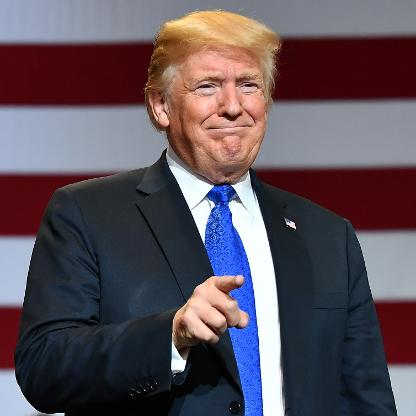
Trump’s annual financial disclosure report shows that cryptocurrency is already part of mainstream finance, affirms the CEO of one of the world’s largest independent financial advisory organisations.
The bullish comments from deVere Group CEO Nigel Green come after President Donald Trump disclosed more than $1 billion in crypto-related income in his latest federal financial filing, with digital asset ventures generating more revenue than much of the real estate empire he spent decades building.
He says: “When the sitting President and Vice President of the United States of America both disclose significant exposure to digital assets, anyone still arguing that cryptocurrency is a fringe asset class is fighting yesterday’s battle.
“You can support Donald Trump, oppose him, or remain entirely indifferent to him. But these disclosures once again expose a reality that investors, institutions and policymakers can no longer ignore: digital assets are now firmly embedded in the global financial system.
“It’s critically important, however, that investors understand that Bitcoin is not the same thing as Trump-branded coins, political tokens or meme assets. They occupy entirely different categories of risk, utility and investment merit.”
Nigel Green stresses that the latest disclosures also serve as a powerful warning.
“Bitcoin has evolved into a globally recognised institutional asset. It has regulated investment products, institutional custody, corporate treasury adoption and growing sovereign acceptance. Political and meme tokens, by contrast, remain highly speculative instruments whose values can rise and collapse at extraordinary speed.
“The extraordinary story here for investors is not that Donald Trump generated substantial wealth through digital asset ventures.
“It’s that crypto businesses have become large enough and influential enough to rival traditional industries that have dominated major wealth creation for generations.”
He continues: “Only a few years ago, major political figures and financial institutions routinely dismissed crypto.
“Today, digital assets are helping generate billions of dollars in reported wealth for the President of the United States. That alone demonstrates how profoundly the financial landscape has shifted.”
The deVere CEO notes that institutional adoption has accelerated at a pace rarely seen in modern financial history.
“Today, some of the world’s multi-trillionaire dollar asset managers oversee tens of billions of dollars in Bitcoin investment products. Major financial institutions have built digital asset businesses. Pension funds have allocated capital, family offices have embraced the asset class, insurance companies have entered the market, and publicly listed companies have adopted Bitcoin treasury strategies.”
Nigel Green believes political and sovereign adoption is also becoming increasingly significant.
“The President of the United States has substantial crypto business interests. The Vice President reports personal Bitcoin holdings. National governments and sovereign wealth funds have adopted Bitcoin strategies. Policymakers and regulators worldwide are now actively shaping digital asset frameworks.
“Some of the world’s largest sovereign wealth funds and state-backed investment institutions have also established exposure to the digital asset ecosystem, directly and indirectly.
“The largest pools of capital on earth are determining the appropriate level of allocation.”
He adds: “Many of the world’s most influential investors and financial leaders who once expressed scepticism about Bitcoin, among other well-established digital assets, have subsequently embraced its role as a legitimate asset class.”
The window during which investors can dismiss digital assets as a passing phenomenon is rapidly closing.
“It could be argued that an investment risk today may no longer be exposure to digital assets. It may be having no exposure at all while a new financial architecture is being built around you.
“Every major financial transformation creates winners and losers. Those who recognised the significance of the internet early benefited enormously.
“Those who dismissed it spent years trying to catch up. We are witnessing a similar dynamic with digital assets.
“This does not mean investors should rush blindly into cryptocurrency markets. It means they need to educate themselves – as visibility is not value and branding is not investment merit – they seek professional advice and perhaps then develop a serious strategy.
“Because while many investors are still debating whether digital assets matter, institutions, governments and some of the world’s largest pools of capital are already acting.”