Experts warn Brits not to ignore these bathroom signs as temperatures climb
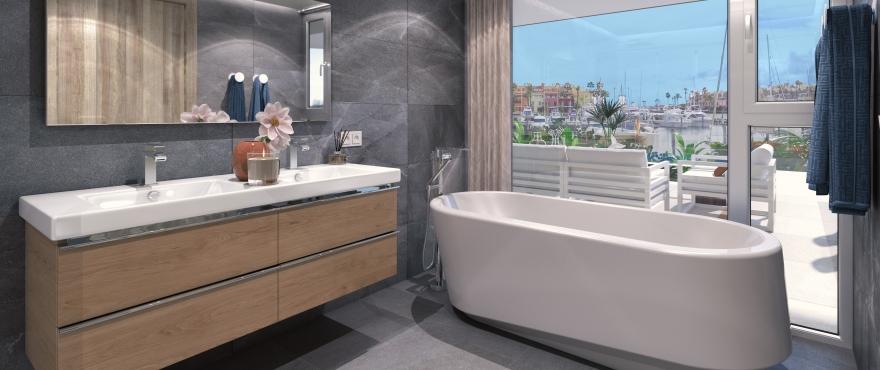
As the UK prepares for a warm bank holiday weekend, experts are urging households to carry out a quick “heatwave bathroom check”, warning that extra showers and rising humidity could trigger problems such as drain flies, “sweating toilets”, hidden biofilm and mould flare-ups.
Specialists in bathroom design and plumbing say bathrooms are often missing from household overheating advice, despite being compact, high-humidity spaces where heat, steam, poor airflow, reflective surfaces and privacy-limited ventilation can quickly combine.
To help households spot the problems early, Sanctuary Bathrooms has published a practical guide to six hidden heatwave bathroom issues, covering the warning signs to look for, the simple fixes to try first, and when it’s safer to call a plumber.
The advice comes as the Met Office forecasts warm and dry conditions for most of the UK over the late May bank holiday, with temperatures expected to soar far above normal and feeling very warm at times. It also follows growing concern over Britain’s readiness for extreme heat, with the Climate Change Committee warning that 9 in 10 UK homes are ill-equipped for rising temperatures.
James Roberts, Director at Sanctuary Bathrooms, says:
“Bathrooms are one of the busiest rooms during hot weather, but they are often left off the heatwave checklist. Extra showers, humidity, slower drains and poor ventilation can all make small bathroom problems more noticeable.
“The key is knowing which warning signs are harmless, which need cleaning or ventilation, and which could point to a bigger plumbing issue.”
The six hidden bathroom warning signs to check before the bank holiday
Sanctuary Bathrooms is advising households to look out for:
Water around the toilet base, or “toilet sweating”: This may look like a leak, but in warm, humid bathrooms it can sometimes be toilet cistern condensation, also known as “toilet sweating”. The warning sign is droplets forming on the outside of the cistern, especially after showers or on humid days.
Tiny moth-like flies near plugholes: Drain flies can appear around sinks, showers and baths when organic matter builds up inside drains. Spraying the flies may only deal with the visible problem; the breeding source is often hidden inside the waste pipe.
Drain smells that return after cleaning: A plughole can look clean while residue remains further down the waste. Warm weather can make hidden biofilm, soap scum, hair and product build-up smell worse.
Mirrors, tiles or towels staying damp for too long: Extra cooling showers can raise bathroom humidity, even in summer. Lingering moisture, black marks on silicone or grout, and damp towels that do not dry properly can all be early mould warning signs.
New ticking or creaking noises after hot water use: Some pipe movement is normal as pipes expand and contract with temperature changes, but new, louder or worsening noises should not be ignored if they appear alongside damp patches, leaks or pressure changes.
Weaker shower pressure at busy times: During hot weather, neighbourhood water demand can rise as people shower more, water gardens and use more appliances. A temporary dip may be linked to peak demand, but a sudden or persistent pressure change could point to a plumbing issue.
James Roberts adds:
“The biggest mistake is assuming every hot-weather bathroom issue is just a summer nuisance. A sweaty cistern may not be a leak, but repeated pooling can still damage flooring. Drain flies may not be dangerous, but they can be a sign of hidden organic build-up. Mould is not only a winter problem; extra showers in a poorly ventilated bathroom can create the right conditions in summer too.”
The 10-minute heatwave bathroom checklist
Before the bank holiday, Sanctuary Bathrooms recommends homeowners:
Check around the toilet base for water, dry the cistern, and see whether droplets return.
Use the food-colouring test if you are unsure whether “toilet sweating” is condensation or a leak.
Remove visible hair and build-up from shower and basin drains.
Flush little-used drains weekly to stop water sitting stagnant in the trap.
Check whether plugholes smell again shortly after cleaning.
Look for tiny moth-like flies around sinks, showers and baths.
Run the extractor fan during and after showers.
Wipe down shower screens, tiles and silicone after showering.
Check grout, silicone, paintwork and flooring for damp, mould or staining.
Listen for new or worsening ticking, creaking or knocking after hot water use.
Check whether weaker shower pressure is temporary and whole-home, or sudden, persistent and limited to one fitting.
When to call a plumber
Sanctuary Bathrooms says homeowners should seek professional advice if they notice persistent sewage or drain smells, recurring blockages, water pooling that does not appear to be condensation, damp patches, stained ceilings, swollen flooring, sudden pressure drops, gurgling drains, or new pipe noises alongside leaks or damp.
James Roberts says:
“A quick check before a hot bank holiday can help people separate minor maintenance from warning signs that need attention. If something is sudden, persistent, worsening, or paired with damp, smells or pressure changes, it is worth getting it checked.”