Nearly 4 in 10 football shirts checked through AI platform flagged as fake ahead of World Cup
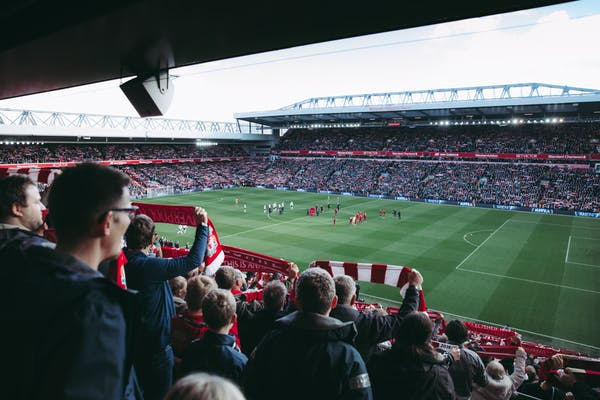
With less than one month until the FIFA World Cup 2026, new data from KitLegit highlights the scale of counterfeit football shirts in circulation, as demand for kits continues to rise ahead of the tournament.
Since launching, the AI-powered authentication platform has been used for more than 26,000 checks across 105 countries, with around 38% of items identified as fake.
The app allows users to verify whether a shirt is genuine or counterfeit in seconds by uploading images, giving fans a way to check items before or after buying.
The figures reflect how difficult it has become for fans to tell what’s real, particularly with more shirts being bought through resale platforms, social media and third-party marketplaces, where counterfeit items are harder to spot.
Additional data from the platform has also highlighted how widespread counterfeit football shirts have become across some of the game’s biggest teams and tournaments. Only around 50.7% of England shirts checked through the platform have come back as authentic, while nearly 40% of Manchester United shirts checked have been flagged as fake.
Counterfeit goods are linked to organised crime and exploitation, with groups including the Anti-Slavery Collective highlighting the human cost behind fake products and global supply chains.
Alex Protsenko, co-founder of KitLegit, said: “Fake kits are getting better and more widespread, and most fans have no idea how hard they are to spot. Nearly 4 in 10 shirts checked through our app are fake – that shows how easy it is to get caught out.”
Ben Houston, co-founder, added: “We were seeing more and more people coming to us after they’d already bought something thinking it was genuine. The reality is it’s becoming harder than ever to tell.”
The platform is now also being used by resellers and more than 50 UK law enforcement agencies to help verify items and prevent counterfeit listings.
The wider counterfeit goods market is estimated to be worth billions globally, with football merchandise forming a significant part of that trade.
With counterfeit kits becoming increasingly convincing and widely available, the data highlights the growing challenge facing fans as demand builds around major tournaments