Searches for “Asian Hornets UK” soar by 5,000% amid fears invasive species is becoming established nationwide
Screenshot
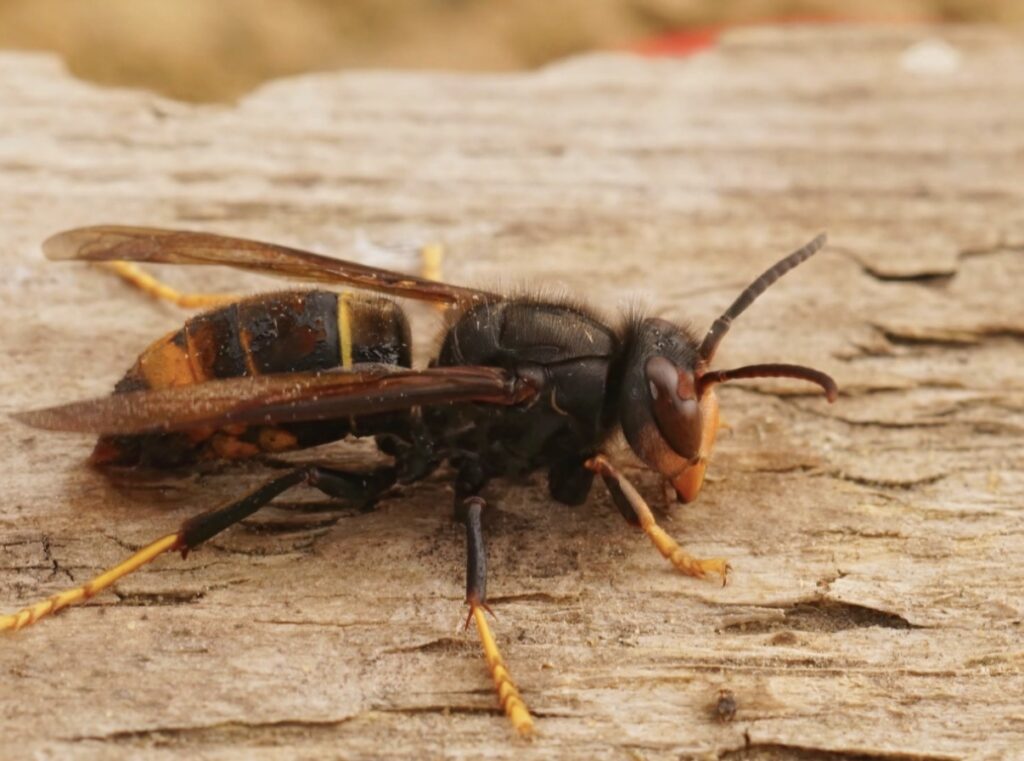
UK searches for “Asian Hornets UK” and “Can Asian Hornets kill you” have surged by over 5,000% in the past month, highlighting growing public concern around the invasive species as experts warn the UK’s critical prevention window is rapidly closing ahead of peak nest-building season.
With spring temperatures rising up to 27 degrees across the UK this weekend, experts are warning that the critical window for stopping Asian Hornet populations before nest-building season is rapidly closing, giving homeowners, gardeners and beekeepers just weeks to act before colonies become significantly harder to control.
Research compiled by gardening specialists Hillarys for the Spring Pest Invasion Index 2026 identifies the Asian Hornet (Vespa velutina) as one of the highest-priority invasive pest threats facing UK gardens this spring, carrying the index’s most severe Red rating.
Key findings:
544 credible Asian Hornet sightings were recorded across the UK in 2025
161 confirmed nests were identified in 2025, more than double the previous annual peak
A single secondary nest can produce around 350 queens before autumn
New queens can disperse up to 50 miles before hibernation
Experts now believe eradication may no longer be realistic within the UK
Luke Newnes, gardening expert and garden influencer at Hillarys comments:
“The concern with Asian Hornets is how quickly populations can scale once queens establish successfully in spring. Right now, across April to early June, queens are still operating alone before colonies expand, which means this is the only realistic opportunity to disrupt nests before numbers grow significantly later in the summer.”
“What makes 2026 particularly concerning is the acceleration we’re now seeing in both sightings and geographical spread. We’re no longer talking about isolated coastal incidents. Sightings are appearing much further inland, and many experts now believe the focus has shifted from eradication to long-term management.”
Why 2026 Is expected to see a surge in Asian Hornet activity
Asian Hornet queens typically emerge from hibernation between April and June, searching for sheltered locations to establish primary nests before rapidly expanding colonies throughout summer. With the Met Office confirming 2026 is tracking as one of the warmest years in recent records, experts warn that warmer spring conditions are likely accelerating emergence activity earlier than usual.
The sharp increase in UK sightings throughout 2025 has also raised concerns that larger numbers of queens may have successfully overwintered compared to previous years. Once secondary nests are established by late summer, a single colony can produce hundreds of new queens capable of spreading across large parts of the country before hibernation.
The threat hidden in plain sight
Asian Hornets are considered particularly dangerous to pollinators due to their aggressive predation of honeybees. The insects are known to hover outside hive entrances, intercepting returning bees and placing additional stress on already declining pollinator populations.
Where is the risk highest?
While Kent and the South East were initially considered the UK’s primary risk zones, confirmed sightings and nests have now spread significantly further inland, including isolated reports across the North East, North West, South West and Ireland. Experts expect the spread to continue throughout 2026 as queens disperse during warmer weather.
Gardens with flowering plants, fruit trees and nearby bee activity are considered among the highest-risk environments for sightings during spring and summer.
Luke Newnes, gardening expert and garden influencer at Hillarys comments:
“The most important thing people can do right now is stay vigilant during the spring queen-trapping window between April and June, as this is the point where populations are still manageable before colonies expand later in summer. Downloading the Asian Hornet Watch app and reporting suspected sightings quickly can make a significant difference in slowing the spread. Also, investing in a fly screen for windows or patio doors can be invaluable during May and into the summer months.”
“Homeowners should keep an eye on flowering plants, fruit trees and areas with high bee activity, where hornets are often seen hovering while hunting pollinators. If a nest is suspected, it’s extremely important never to approach or attempt to remove it yourself, as Asian Hornets can become aggressive when disturbed. Beekeepers in particular should be inspecting hive entrances regularly throughout spring as activity begins to increase.”