Storm Goretti: Drivers warned as winter shortcuts could cost £5,600 in fines
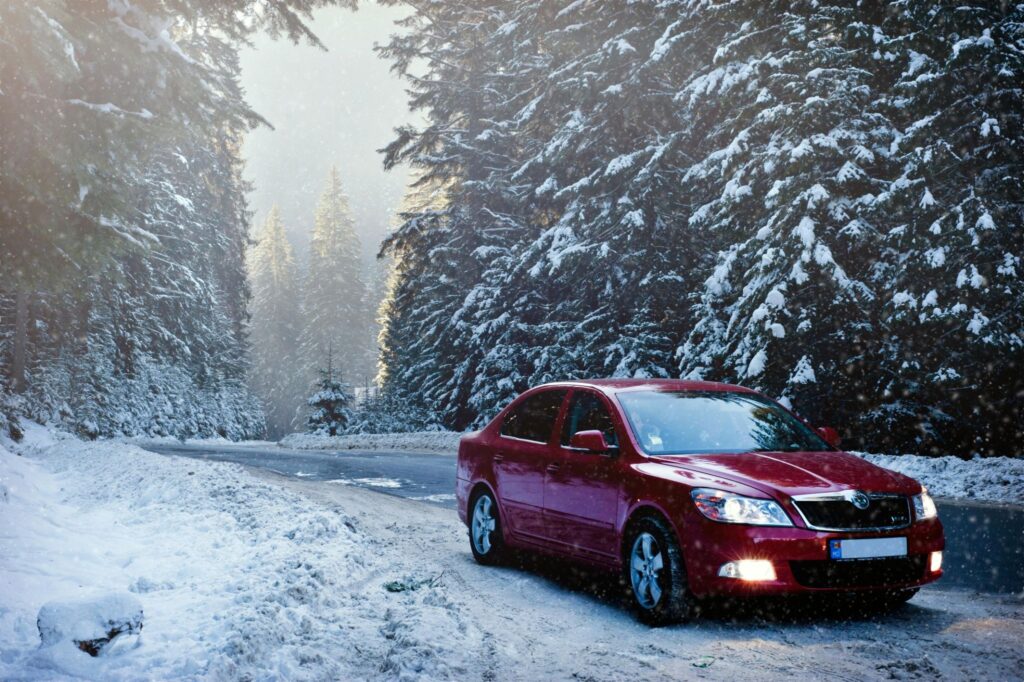
With Storm Goretti bringing severe snow and ice warnings across the UK, experts are urging drivers not to rely on risky winter “shortcuts” that could lead to costly damage, fines, or serious accidents.
New data reveals Google searches for “snow” have surged by 80% in the past day, as motorists urgently seek guidance amid worsening weather. With rural areas being cut off and severe disruption across major routes, many drivers are looking for quick ways to get on the road, but these shortcuts are often ineffective, unsafe, and potentially dangerous.
Keith Hawes, Director of Nationwide Vehicle Contracts, has issued new warnings to help drivers navigate the extreme winter conditions safely.
1. Snow on the roof
One of the most common winter mistakes is driving with snow piled on the roof.
Why it’s dangerous:
· Heavy braking can send snow sliding onto your windscreen, instantly blocking your view.
· Large chunks can fly backwards and hit other vehicles, creating a road hazard.
· You can face fines ranging from £60 and three penalty points up to £2,500 if your vehicle is deemed to be in a dangerous condition or causes a hazard to others.
Do this instead:
Always remove snow from the entire vehicle, roof, bonnet, number plates, lights, and windows, not just the windscreen.
2. Avoid using your wipers straight away
Drivers often switch on wipers immediately to scrape away snow and ice.
Why it’s dangerous:
Frozen or heavy snow can burn out the wiper motor or tear blades, leading to repairs costing up to £300.
Do this instead:
Clear loose snow with a soft brush and fully de-ice the glass before using the wipers.
3. Only clearing a small “porthole” of visibility
Sometimes called the “letterbox view,” this is a common winter rush tactic.
Why it’s dangerous:
Limited visibility increases collision risks dramatically and may result in police action for driving without a clear view of the road.
Driving with an obscured windscreen causes limited visibility and increases collision risks dramatically which can result in charges for dangerous driving, with fines up to £2,500 in severe cases.
Do this instead:
Fully clear all windows, mirrors, lights, and sensors before moving the car.
4. Using DIY de-icer mixtures
DIY hacks using vinegar, rubbing alcohol, washing‑up liquid or WD‑40 are often promoted as quick solutions.
Why it’s dangerous:
These household products aren’t designed for cars and can damage rubber seals, erode paintwork, and dry out wiper blades and they may damage wiper blades, causing smearing or blade failure, making visibility worse instead of better.
Do this instead:
Use a proper car de-icer. These are designed to melt ice quickly without damaging paint, rubber, sensors, or trim.
5. Relying on all‑season tyres during active snow warnings
All‑season tyres lose grip significantly below 7°C, and conditions are far colder across the UK right now.
Why it’s dangerous:
Stopping distances increase dramatically on snow and ice, with many drivers facing £200–£300 insurance excesses if involved in collisions.
Do this instead:
Consider winter tyres if you live in hilly, rural, or high‑risk snow regions
“With the extreme snow and ice hitting the UK, shortcuts, and winter ‘hacks’ might feel tempting, but they can cause costly repairs or put you and others at real risk,” says Keith Hawes, Director of Nationwide Vehicle Contracts. “Taking a few extra minutes to properly clear and prepare your car is worth it, especially in conditions as severe as we’re seeing now.”