10 day countdown: key deadline looms for taxpayers
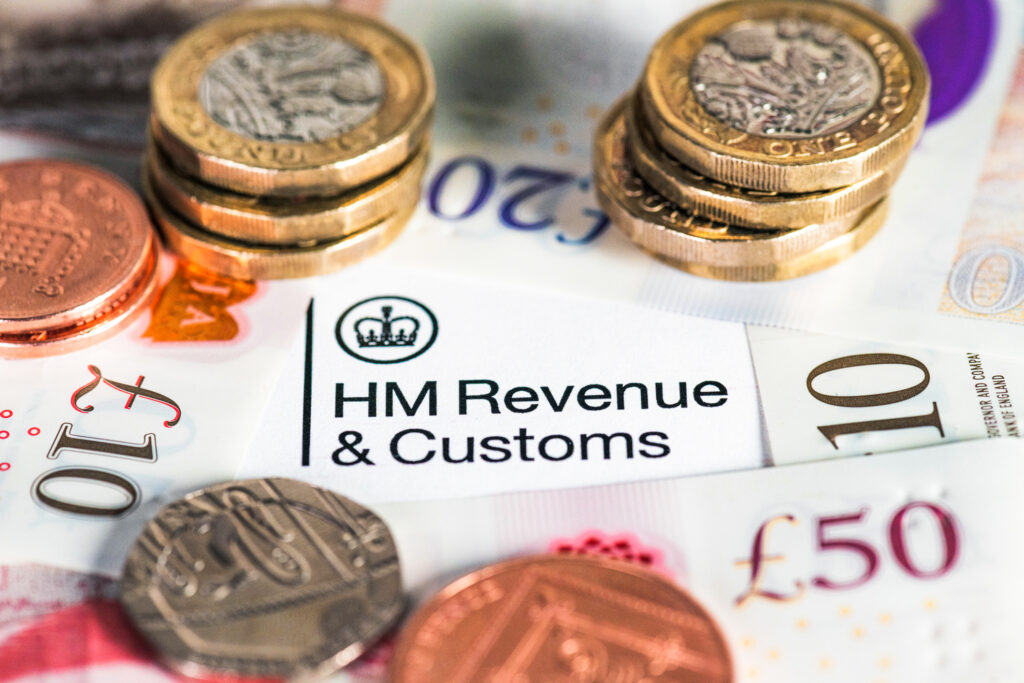
A collection of modern British banknotes surrounding the HM Revenue & Customs heading on a UK Government tax form.
With just 10 days until the 31 January deadline for submitting and paying 2024/25 self-assessment tax returns, experts are urging self-employed people to act now to avoid last-minute stress and potential penalties.
New data from GoSimpleTax shows that the average user spends 2 hours and 48 minutes completing their tax return, spending longer on the task than playing two football matches including half-time, or binge watching almost a full week of The Traitors.
Mike Parkes, technical director at GoSimpleTax, said: “Filing a self-assessment is often closer to half a working day than to a quick admin task. It’s very easy to push it down the to-do list or leave it until the last minute, but underestimating the time it takes can result in running out of time or making avoidable errors when rushing to meet the deadline. Just like on The Traitors, you need to pay careful attention to avoid being caught out. To get it right, it takes an average of nearly three hours when using tax software, so completing a return directly via HMRC is likely to take even longer.
“Budgeting for the tax bill is another challenge that grows the longer it’s left. Our research found that one in five (20%) self-employed people had no idea how much they owe, and a further 15% knew the amount but had yet to find the funds. Many self-employed people are dealing with irregular income and tight margins, which makes cash flow tricky. The earlier the tax return is completed, the sooner workers know exactly what they need to pay, giving them more time to plan and avoid late payment charges.”
According to HMRC, millions still need to file their Self Assessment tax return.
However, even submitting the tax return before the end of January does not mean taxpayers can forget about tax for another year. This week also marks the 10-week countdown to new tax reporting rules, with Making Tax Digital (MTD) coming into force on 6 April 2026. Taxpayers who report a gross income of more than £50,000 from self-employment or property in their 2024/25 self-assessment will need to comply by keeping digital income records using MTD-compliant software.
Failing to meet the requirements may result in fines of up to £200 under a new points-based system. Experts have warned against attempting to underreport income to avoid meeting the MTD threshold.
Mike Parkes, also of Coconut, record-keeping software approved for Making Tax Digital, said:
“Making Tax Digital has been on the horizon for years, and now the countdown is real. Taxpayers need to start preparing to move onto digital accounting software to stay compliant. Any change in regulations can feel overwhelming, but trying to tweak your numbers to avoid falling into MTD’s threshold is a bad idea. The system is designed to make reporting more accurate, so discrepancies will be easily noticed and could land you in hot water with fines, penalties or even criminal convictions.”
“Don’t try to avoid the inevitable. Wider thresholds are set to be rolled out so anyone earning over £30,000 from self-employment or property in the current tax year will need to comply with Making Tax Digital from 2027. The threshold is set at £20,000 for the following year. Starting to use compliant software will save stress and time in the long run.”
Those unsure whether they need to file a Self Assessment can check using GoSimpleTax’s free side hustle calculator here: https://www.gosimpletax.com/side-hustle-take-home-pay-and-tax-calculator/