New study reveals the effects of caffeine on UK drivers
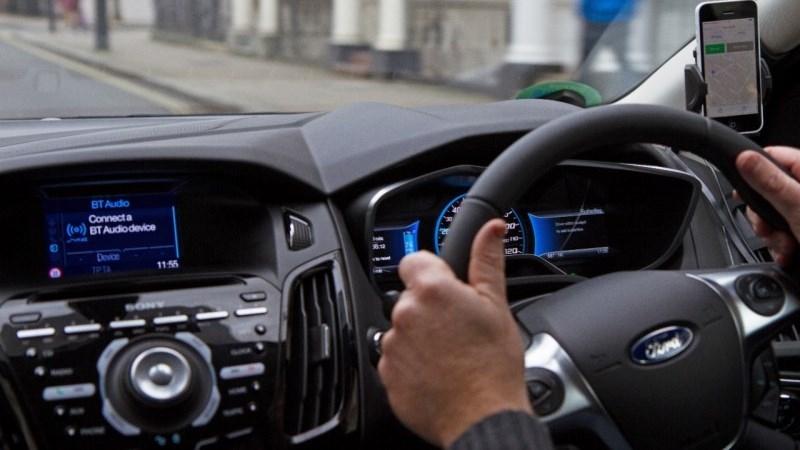
As the dark mornings and early nights of winter leave many feeling more tired, a new study1 from car insurance expert MoneySuperMarket found that over a third of UK drivers (37%) reach for a caffeinated drink before heading out on the road. As well as this, nearly 44% of drivers stop during their journey for a caffeine boost.
The research showed that caffeine is a key part of UK drivers’ routines, but many are unclear about safe consumption levels, including the recommended 400mg daily limit.
The most popular caffeinated drinks for UK drivers
The study revealed that the top 10 most popular caffeinated drinks drivers consume are:
Instant coffee
Tea (English breakfast)
Caffeinated soft drinks
Green tea
Energy drinks
Latte (hot)
Americano
Flat white
Espresso
Iced latte
While many of these drinks are for year-round enjoyment, interestingly, two in five (41%) drivers report that they drink more caffeine when seasonal drinks are on the menu.
How much caffeine is in drivers’ favourite drinks?
The research found that energy drinks top the list of those with the highest caffeine content, with a large 473ml can of Bang Energy containing 300mg of caffeine – 75% of the recommended daily amount for adults (400mg).
A single can of Diet Coke accounts for 11% of the daily amount, and 10% of drivers say they consume four or more of these per day, hitting nearly half (44%) of their recommended intake.
When it comes to festive drinks, many think of the popular pumpkin spice latte and its many variations, including a pumpkin cream cold brew. A grande (medium) sized cup contains approximately 185mg of caffeine, which is almost half of the daily recommended caffeine amount (46%).
58c7cbaca9c66bc5cacbdc4bf71212e9
Scientific reviews consider up to 400 mg of caffeine per day safe for adults, but only 10% of drivers knew this recommendation, and 33% were completely unaware of it.
Caffeine can be helpful for those wanting increased alertness, energy and concentration (Medical News Today2), however too much caffeine can cause the opposite effect, known as a caffeine crash.
What is a caffeine crash?
A ‘caffeine crash’ is a known side effect of drinking too much caffeine, commonly described as a sudden drop in energy, mood and focus when the effects of caffeine wear off, as explained by BodyBio3.
Pharmacist and owner of Practice with Confidence 4, Deborah Grayson, who MoneySuperMarket partnered with for the research, explained: “Caffeine wards off tiredness by blocking the neurotransmitter adenosine that builds up in the brain, making us feel sleepy.
“After the effects wear off you can feel less alert or focused, but if you feel extreme tiredness, problems concentrating, you’re irritable and you have a headache, that may indicate a caffeine crash.”
When asked about the impact caffeine has on drivers whilst behind the wheel, almost three in 10 (28%) say they’ve felt jittery, shaky or “on edge” after drinking caffeinated drinks – some common effects of a caffeine crash.
Alicia Hempsted, car insurance expert at MoneySuperMarket commented: “As caffeine isn’t classified as a controlled or restricted substance, there is no legal limit on how much drivers can consume before they drive.
“However, with some drinks now offering three quarters of an adult’s daily recommended amount in one drink, drivers should be conscious about how much they consume, especially if they’re heading out on a long journey.
“Driver fatigue plays a part in around 20% of serious road accidents, so it’s vital to manage your alertness safely when on the roads.
“If fatigue from a caffeine crash affects driving performance or contributes to an accident – even a minor one – it could impact your insurance costs and no claims discount.
“The Highway Code advises taking regular breaks – ideally every two hours – and avoiding late-night journeys between midnight and 6am when alertness naturally dips. Staying hydrated and planning rest stops can make a big difference to your safety.”