Cheltenham 2026: A Triumphant Return to Form for British Racing
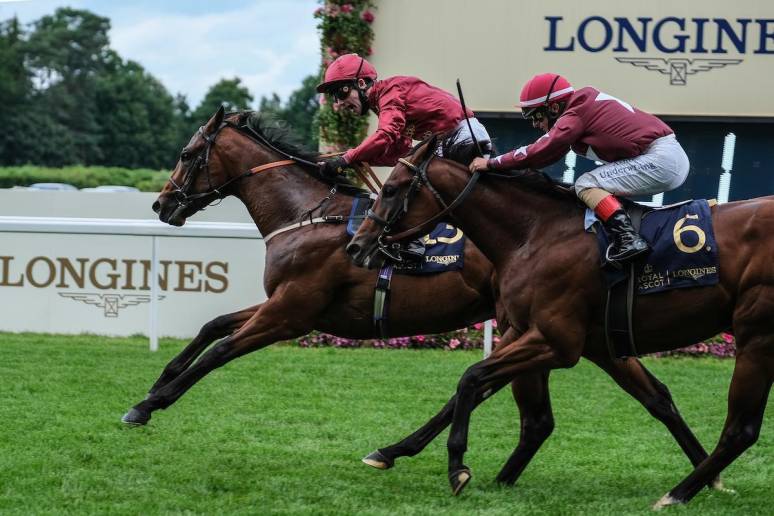
The 2026 Cheltenham Festival has concluded on a high note, marking a triumphant “bounce-back” year for British racing. Attendance figures climbed by 3.7%, with over 8,100 additional fans flocking to the course compared to previous years. This resurgence was bolstered by a highly successful rebrand of the second day as Ladies’ Day, which saw a 10% spike in ticket sales. For the industry, the atmosphere was electric, fuelled by a renewed sense of competition and the enduring popularity of horse racing betting, which saw bookmakers report record engagement despite several long-shot winners at odds of 66-1 and 50-1.
One of the week’s most incredible stories involved a punter in Ireland who turned a 50-cent each-way Lucky 63 into a staggering €558,000 (£484,000) payout. While the “books” certainly enjoyed a profitable week, such life-changing wins highlight the unique magic and thrill that Cheltenham provides to its dedicated fanbase. With the home team securing 13 winners, surpassing even the most optimistic forecasts; the festival proved that British yards are back on an upward trajectory.
Dominance and Rising Stars
While the British side showed great strength, the legendary Willie Mullins remained the man to beat. The County Carlow trainer returned home with an incredible haul:
The week opened with a “wall of noise” for Old Park Star, the Supreme Novices’ Hurdle favourite, who looks set to be a massive star for Nicky Henderson in the coming seasons. The joy was shared across the paddock, from the elite stables to smaller operations like that of Adam Nicol, whose Minella Study secured a proud third-place finish in the Triumph Hurdle against a formidable field.
Commitment to Welfare and Safety
Horse racing continues to lead the way in veterinary science and animal care. While the sport faced the saddened loss of the veteran Envoi Allen following a rare “acute cardiovascular collapse,” officials were quick to highlight the rigorous safety protocols in place. Every horse at the festival undergoes pre-race examinations, including heart monitoring and limb checks.
The British Horseracing Authority (BHA) remains at the global forefront of equine welfare. James Given, the BHA’s director of equine health, noted that Britain is the first country to allow heart monitors during live racing to better understand and prevent rare health events.
Looking Ahead
Despite minor logistical challenges and a review of starting procedures, the 2026 festival was a resounding success that reaffirmed racing’s status as a cornerstone of British sporting culture. The sport’s executives are now focused on a “robust response” to showcase these welfare achievements to the public. As the calendar moves toward the Grand National, the mood remains overwhelmingly positive, ensuring the story of the turf continues with vitality and transparency in the 21st century.