The Fragrance Week trends set to transform your fragrance wardrobe this season
As Fragrance Week (16–22 March) celebrates the cultural power of scent, experts say perfume is undergoing one of its biggest behavioural shifts in decades.
Rather than following fragrance houses and advertising campaigns, today’s perfume trends are increasingly being shaped by consumers themselves, particularly on TikTok and Instagram.
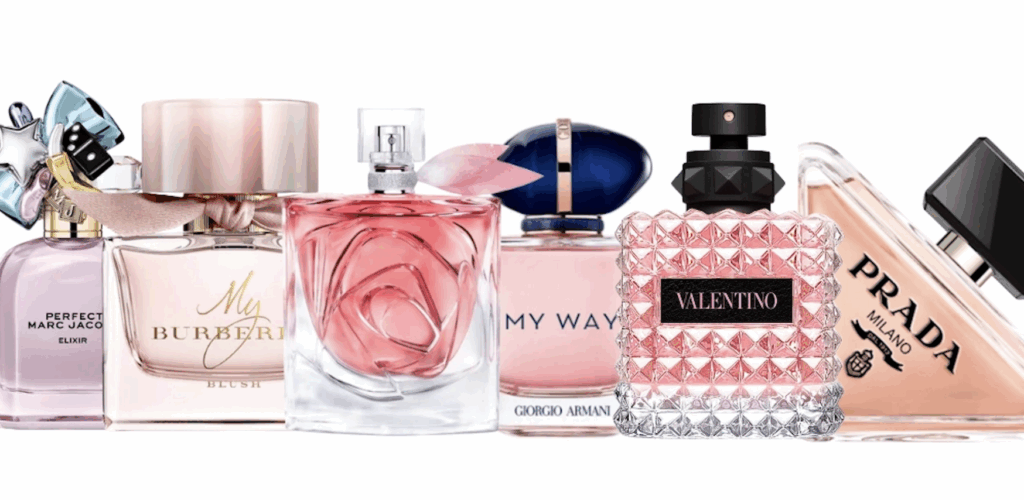
Similarly, fashion isn’t just influencing wardrobes, it’s shaping our fragrance choices more than ever before. For example, this season’s unmissable wave of ballet-inspired pinks, lilacs and romantic pastels dominating the shops is driving demand for delicate, powdery florals, sheer rose and violet notes and clean skin-like musk perfume.
Perfume Direct fragrance expert Jonny Webber explains the way we wear perfume is evolving faster than ever.
“Fragrance used to be something people applied as the final step before leaving the house and mainly just on wrists,” he says. “Now consumers are treating scent in the same way they treat skincare – layering products, experimenting with combinations and using fragrance throughout the day rather than just for special occasions.”
He adds that the biggest difference today is who is driving the trends.
“For decades fragrance trends were largely dictated by brands launching new perfumes. What we’re seeing now is the opposite. Consumers are setting the agenda and brands are responding to them.
“This shift is largely being driven by social media, where people share routines, layering techniques and scent combinations in a way that simply didn’t exist before.”
The Full-Body Fragrance Routine
One of the fastest-growing fragrance trends on TikTok is “full-body fragrance layering”. This is a routine designed to maximise longevity by layering multiple scented products across the body.
And it’s not just on social media that shows this trend is dominating. Trend reports show searches linked to hair fragrance and multi-layer scent routines have surged by 114–136%, reflecting a broader change in how consumers engage with scent.
Rather than relying on a single perfume spray, users are building what many call “scent stacks”, combining several fragranced products together.
Typical routines now include:
scented shower gels
body lotions
deodorant
hair perfume
fragrance oils
traditional perfume spray or solid perfumes
Webber says the approach is transforming how fragrance fits into everyday routines.
“The idea of ‘fragrance layering’ isn’t new in perfumery, but the way consumers are embracing it now is completely different,” he says. “TikTok has made scent routines – from tried and tested layering combinations to bizarre scent mixing – visible. Even banana perfume became a craze on TikTok. People are filming their stacking rituals, which like skincare tutorials, now involve lots of different types of fragrance applications, step-by-step, shaped by personalisation and individuality.
“The goal is to create a scent that lasts all day but also feels more personal, almost like building your own fragrance wardrobe, and for individual emotional wellbeing.”
He adds that fragrance is increasingly being treated as an extension of wellbeing rituals.
“We’re seeing people wear fragrance at home more than ever, during their evening routine, before bed or simply while relaxing. It’s less about impressing other people and more about how scent makes you feel.”
Following Fashion: The Rise of Pink Perfumes
Another major trend emerging this spring is the rise of soft, powdery floral fragrances, closely tied to the growing popularity of the balletcore aesthetic in fashion and beauty.
Across beauty and social media, romantic pink tones, satin ribbons and ballet-inspired styling are dominating, and perfumers are responding with delicate florals that feel soft, nostalgic and intimate.
“Beauty trends are becoming softer and more romantic again,” Webber explains. “As fashion moves towards ballet-inspired pinks and pastels, fragrance is following with powdery rose, iris and violet notes that feel elegant and skin-like.
“These perfumes often fall into what fragrance experts call “skin scents”, subtle fragrances designed to smell natural and intimate rather than bold or overpowering. They’re fragrances that sit close to the skin,” Webber says.
“They don’t announce themselves loudly when you walk into a room. Instead they create a soft aura, the kind of scent someone only notices when they’re close to you. Dominant perfumes here are soft musks and airy florals that feel clean, delicate and personal.”
Together, these trends point to a broader shift towards fragrances that feel comforting, expressive and deeply personal. It’s also signalling the end of the Signature Scent.
“The idea of having just one signature scent is fading,” Webber says. “People are building fragrance wardrobes in the same way they build fashion wardrobes.
“You might have one scent for daytime, another for evenings, something cosy for home and something lighter for spring. It’s a much more playful and expressive way of wearing fragrance and it reflects how people want scent to fit into their lives now.”