A Century on the Sand: Celebrating 100 Years of British Greyhound Racing
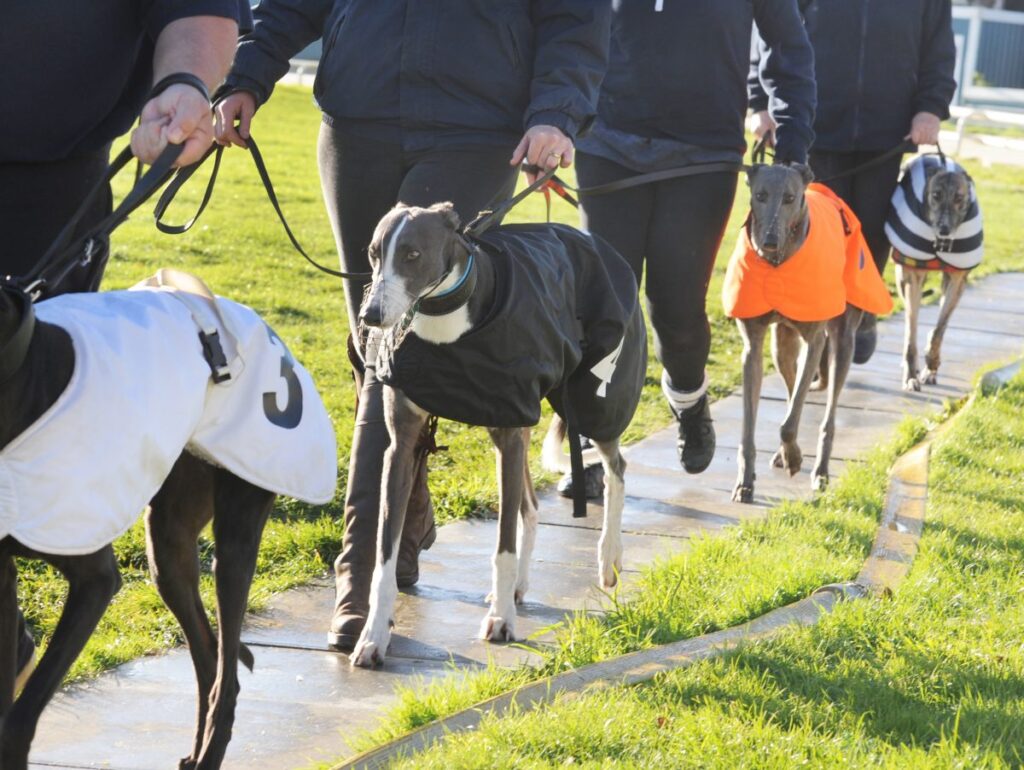
In the world of British sport, few anniversaries carry as much cultural weight as the one we celebrate this year. July 2026 marks exactly 100 years since the first ever greyhound race under modern rules took place at Belle Vue Stadium in Manchester. On that historic night in 1926, a greyhound named Mistley chased a mechanical lure into the history books, sparking a national phenomenon that would, for decades, would be one of Britain’s most popular sporting spectacles.
As we reach this remarkable centenary, the landscape of the sport is undergoing a profound transformation. While the flat cap and terraced house imagery of the 1920s has been replaced by high-definition streaming and elite-level animal welfare standards, the core thrill of the dogs remains as potent as ever.
A Period of Modern Transition
The journey to 100 years hasn’t been without its recent hurdles. In a landmark move for 2026, the Welsh Senedd recently voted to ban greyhound racing in Wales, following years of intense debate. This legislation, which includes a transition period until 2027 to allow for the responsible rehoming of racing dogs, marks a significant shift in the sport’s UK footprint.
While this decision has been met with disappointment from theGreyhound Board of Great Britain (GBGB), it has served as a catalyst for the industry in England to double down on its commitment to world-leading welfare standards. For many fans, this modern era is about finding a trusted connection to the sport that prioritises integrity. Whether following the action at flagship tracks like Towcester or checking the latest form at somewhere like the Racing Post, the focus for the modern punter has shifted toward platforms that champion the back to basics values of transparency and animal care.
The Rise of a National Pastime
The explosion of greyhound racing in the late 1920s was nothing short of meteoric. Within a decade of that first Manchester meeting, over 200 tracks had opened across the UK, drawing annual attendances in excess of 32 million. As noted byUniversity of Huddersfield historians, the sport provided an Ascot for the common man, offering a glamorous, accessible night out for the urban working class.
Even the iconic Wembley Stadium, famously the home of English football, was effectively bankrolled in its early years by its greyhound meetings. Indeed, the sport’s grip on the British psyche was so strong that during the 1966 World Cup, a scheduled football match actually had to be moved to accommodate a pre-booked greyhound meeting.
The Digital Evolution and the Modern Punter
Perhaps the biggest shift in the last century is how fans engage with the form. While the physical experience of a night at Owlerton or Romford remains unmatched, the digital era has brought the sport to a global audience. The modern punter is no longer just looking at a paper racecard; they are analysing split times, sectional speeds, and breeding patterns through sophisticated online hubs.
In this competitive digital marketplace, BresBet has positioned itself as a champion of the independent spirit, moving beyond just being a sportsbook to becoming a major supporter of the sport. Their title sponsorship of the BresBet Steel City Cup at Sheffield’s Owlerton Stadium has become a highlight of the autumn calendar, proving that regional racing still holds a vital place in the national ecosystem.
By integrating live HD streaming and comprehensive statistical archives, these modern platforms ensure that the form study, a tradition as old as the sport itself, remains central to the experience, even for those who cannot make it to the track in person.
Why Quality Regulation Matters
With the closure of smaller, unregulated tracks, the focus has shifted entirely to the licensed sector. The industry has been vocal about an approach which prioritises the punter’s experience and the animal’s welfare in equal measure. This is a far cry from the unregulated “flapping” tracks of the mid-20th century. Today, every dog is microchipped, every race is filmed, and every veterinary record is digitised.
As recently highlighted by the Racing Post, the synergy between reputable bookmakers and the tracks themselves is what keeps the sport viable. Revenue from betting is directly reinvested into track safety and retirement schemes, ensuring that the athletes who provide the entertainment are cared for long after their final race.
Looking Ahead to the Next Century
As the sport enters its second century, the focus is firmly on sustainability. The 2026 season is packed with commemorative events, including a gala at the newly opened Dunstall Park in Wolverhampton, which is set to become a flagship venue for the sport’s modern era.
The story of British greyhound racing is one of constant adaptation. From the smoke-filled stadiums of the post-war boom to the sleek, welfare-first operations of today, the sport has survived by staying true to its core: the incredible speed and grace of the athletes. Whether you are trackside for the English Greyhound Derby or following the action through the dedicated racing markets, the roar of the crowd as the hare starts its hum is a sound that has defined British weekends for 100 years—and looks set to do so for many more.