Gardeners warned this one pruning mistake could break wildlife law
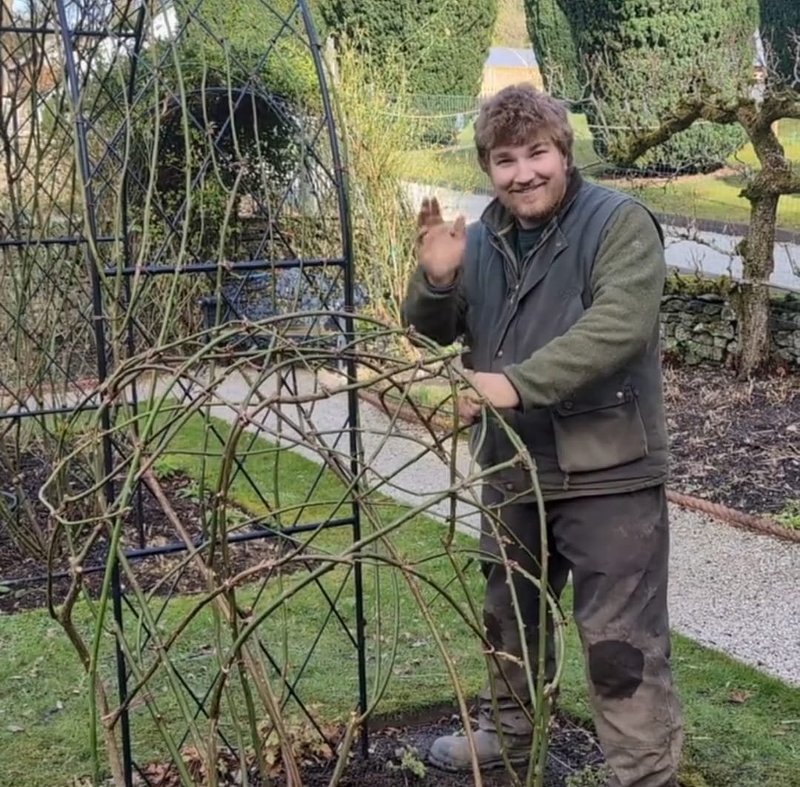
With warmer weather finally here, many gardeners will be heading outside to tackle overgrown hedges and shrubs – but experts are warning that one common job could be putting wildlife at risk.
Noah Mabey, Senior Gardener at Thornbridge Hall and Horticultural Advisor to Platinum Spas, says “gardeners need to take extra care this month, as May marks peak nesting season across the UK. Heavy pruning should be avoided until bird nesting season finishes in September.”
Under the Wildlife and Countryside Act 1981, it is an offence to damage or destroy an active bird’s nest, making it essential for gardeners to check thoroughly before carrying out any pruning work. Fines and penalties for breaking this law could be severe.
Pruning this month may land you in legal trouble
Noah Mabey, Senior Gardener at Thornbridge Hall and Horticultural Advisor to Platinum Spas said, “May is one of the busiest times of year for garden wildlife, so it’s really important to slow down before you start cutting anything back.”
“One of the most important things to remember is that it’s nesting season. Always check carefully before doing any pruning, especially with hedges or dense shrubs. Major cutting back should be left until September.”
Birds often build nests deep within foliage, making them almost impossible to spot at a glance – particularly in well-established hedges or climbing plants.
Even small outdoor spaces aren’t exempt
Noah says, “Even in the smallest gardens, wildlife finds a way. You’d be surprised what’s hidden in the foliage – I’ve come across nesting birds while working in the busiest parts of the garden.”
“I even found a blackbird’s nest right by my potting bench, which I had to leave alone.”
What you can do this month in the garden instead
While heavy pruning should be avoided until nesting season finishes in September, there are still plenty of safe jobs gardeners can get on with in May.
Noah explains, “Lighter tasks like deadheading flowers or gently trimming soft growth can still be done, but the key thing is to always check plants thoroughly before you start.”
“Even a quick tidy-up can disturb a nest if you’re not careful. Taking a moment to check properly can make all the difference during this crucial time for wildlife.”