Millions of Brits fall out with their neighbours over their gardens each year. Could you be on the wrong side of the law ?
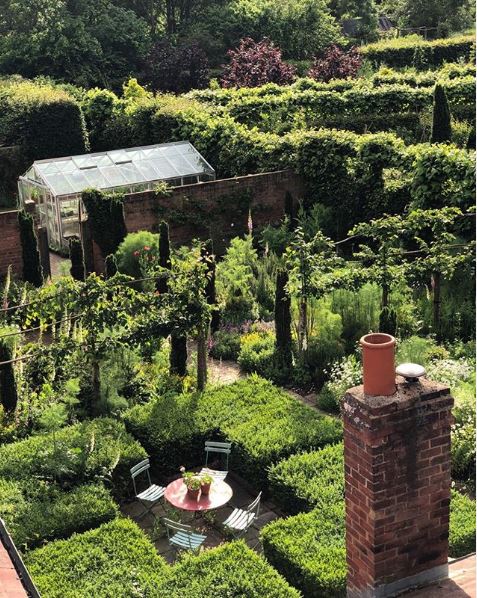
Your back garden should be a private sanctuary – but all too often it can be a source of neighbourly disputes.
Research suggests that six in ten Brits have had garden-related disputes with a neighbour*. And even small things can trigger a dispute – or worse, land you on the wrong side of the law.
From simply painting a fence to the latest TikTok trends, or garden structures – even for aesthetically pleasing creative ideas executed in your own back garden, there can be a whole host of legal implications that homeowners should know about before they begin a project.
Jamie MacGregor, winner of Landscaper of the Year at the Checkatrade Awards 2025 and owner of Green Earth Gardens Ltd, shares his tips to keep you on the right side of the laws and regulations that govern our gardens.
1. Painting fences
Homeowners need to be aware that you are not allowed to paint your side of a neighbours fence. Legally, even your side of the fence still belongs to the owner, so painting or staining it without permission could be considered criminal damage.
How do you find out who owns the fence? The common myth that you own the fence on the left hand side is just that – a myth.
Instead, look at your title register and title plan from HM Land Registry. The presence of a ’T’ mark on the boundary means you own that fence – but note that also means you are responsible for maintaining it. Meanwhile ‘H’ indicates shared responsibility. If shared – you’ll usually be entitled to paint your side, regardless of who paid for the fence.
2. Pleached trees
Pleached trees have taken TikTok by storm, with the hashtag #pleachedtrees racking up over 15 million views. These trees – grown to have flat, dense branches – can create a striking, private screen for your garden.
However, rows of pleached trees over two metres may be classed as “high hedges,” giving neighbours the right to request action if they are being impacted, particularly if they are blocking light.
3. Slatted privacy fencing
Slatted privacy fencing has also surged in popularity, with countless TikTok clips showing users swapping out old fences for sleek, horizontal designs.
Fabric-backed, tall slatted fences look sleek and stylish from one side – but the other side often shows supports, fixings, and black fabric, causing disputes.
When installing, you need to stay within the 2-metre height limit. Careful design, correct orientation, and coordinating with neighbours on placement is advised to avoid disputes over how they look when installed.
4. Invasive plants
The rise of ‘chaos gardening’, a no‑rules, scatter‑and‑see approach to planting, has become more popular than ever. While it can create a lush, vibrant look – using mixed or poorly labelled seed mixes can inadvertently introduce invasive species that spread beyond your garden.
Certain invasive plants are covered by legislation due to the damage they can cause. If one spreads into neighbouring properties, you could be held responsible. And under the Wildlife and Countryside Act 1981, it’s illegal to plant or cause certain non-native species to grow in the wild.
To avoid problems, only bring plants of known origin into your garden, and check for any restrictions before introducing new species.
5. Garden lighting
Gardens are increasingly treated as extensions of the home and sophisticated ‘layered’ lighting can transform outdoor spaces. However, bright or badly placed garden lights can spill over into neighbours’ gardens or homes, causing glare, and reducing privacy. While most garden lights are legally fine, very disruptive lighting could be considered a ‘statutory nuisance’.
Be considerate with your placement – aiming fixtures downwards will minimise spillover. And using timers or motion sensors can ensure lights are only on when needed.
6. Garden buildings and home office pods
Garden rooms and office pods continue to be a trend. These bespoke, year‑round structures are now designed to perform just like interior rooms, with full insulation and other amenities.
They are legal providing they are no more than 2.5 metres tall near boundaries, cover less than half the garden, and are used for purposes ‘incidental to the house’ – which means as an addition.
They cannot have a kitchen or toilet which would allow them to be used as a separate dwelling or permanent bedroom. If they do, that requires planning permission.
Jamie concludes, “Gardens should be a place of enjoyment, and understanding the rules around fences, trees, lighting, outbuildings, and smart devices helps homeowners protect their property while staying on good terms with neighbours. With a little planning and clear communication, you can keep your garden beautiful – and dispute-free.”