The silence and architecture of Europe’s remote trails
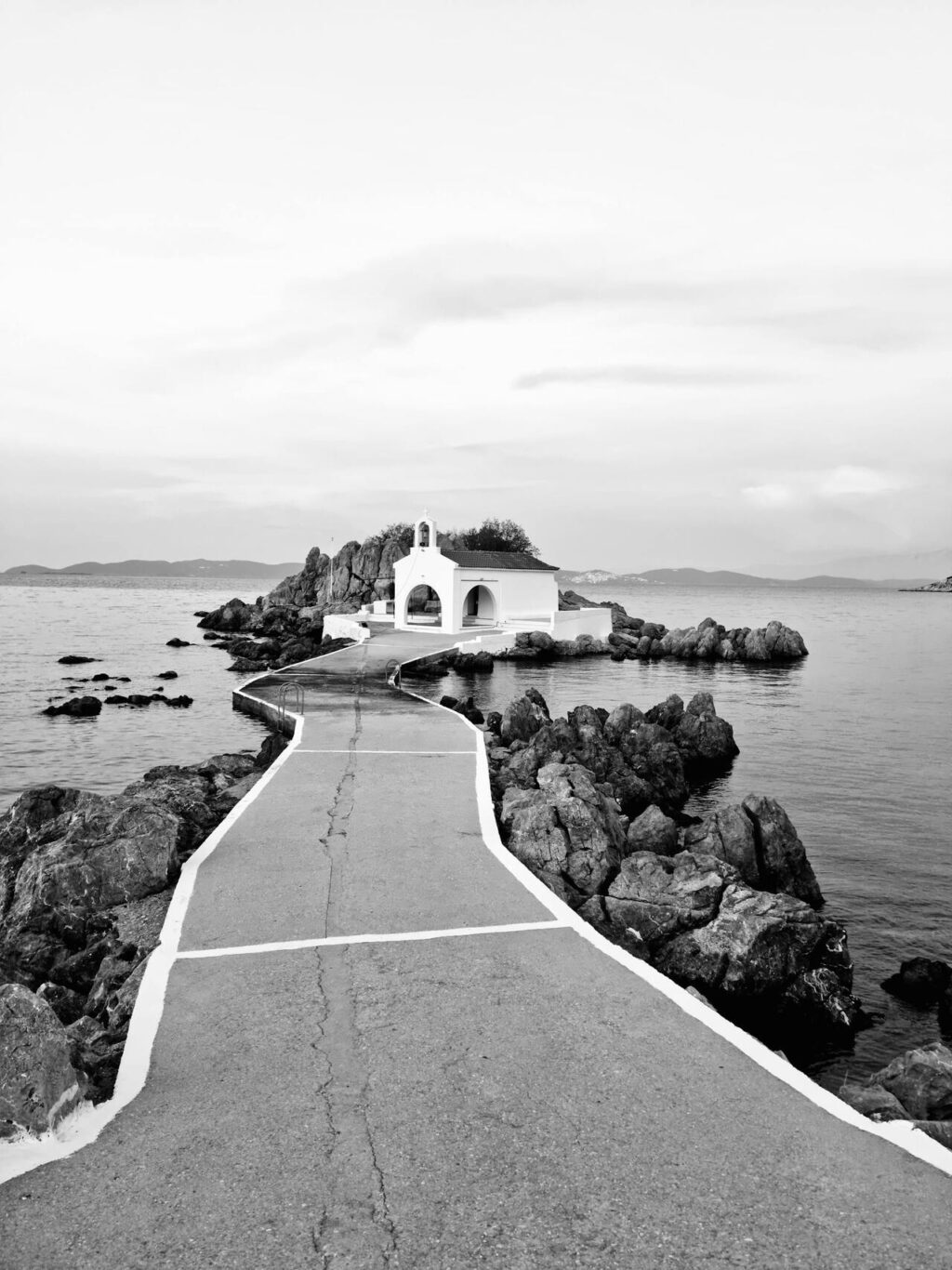
The complete absence of sound is rare, and so silence for humans might be the constant hum of the wind on the shores, or the constant crunch of gravel under your boots as you walk. These meditative silences aren’t common in our cities, and so many turn to the ancient paths in remote corners of Europe for this. It is ironic, though, that many of these ancient cities are now abandoned places of escape.
The sound of ancient stone
For a lot of Europe, history isn’t always housed in museums but is lying around in the very soil – you’ll know this if you’ve ever exited Sofia’s train station only to walk past Roman remains.
Of course, this is true in Italy despite the busyness of Rome. There are walks all around the country, and while many hotspots are worth visiting (Cinque Terre, Amalfi Coast, etc.), the rural walks between the towns are where you experience silence and natural remains of the past. Italy is in no shortage of stone villages, so it’s a wonder why so many people stick to just a handful of destinations.
When walking through these landscapes on foot, you begin to notice the intentionality of the land. Each and every terrace wall and ancient paving stone was placed by hand centuries ago. It was pedestrian-first infrastructure that welcomed the slower pace. Revisiting it in 2026 makes as much sense as it did back then as good design lasts.
Verticality in the wild Balkans
Further east and things get more wild. Exploring the trails of Durmitor National Park, in Montenegro, has glacial lakes and deep canyons where there are very few visitors in between the limestone. They’re still underexplored, in part because public transport is lacking.
In these wildernesses, there are a lot of high-altitude mountains that have ancient infrastructure, like the mountain villages of Njeguši and Godinje. Nevertheless, much of these spaces remains empty, making the experience feel much more wild and raw. It’s unpolished, but incredibly safe still. For those concerned about securing a spare room in these villages with few choices, Orbis Ways can help book them for you.
The mythic Aegean paths
Along the coastlines where the sea meets the scrubland, silence is often carried on the salt-heavy air. Greece has the wild Balkan mainland mountains, where Spartas, Athenians, Corinthians and many other mini-states all contended with one another. Forts were built, but education and democracy were central to this story.
There is a timelessness to the ancient stone-paved kalderimia and quiet coastal paths that go through the Byzantine ruins. These routes were how isolated villages and sacred sites communicated – where the famous Greek knowledge was learned and passed on.
It’s clear that when searching for architecture and silence, there’s few better places than ancient Europe. These are often the cheapest places to visit, the quietest, and the wildest, despite it these being the hotspots many centuries ago. Walking through the ancient paths, it becomes clear that good design – where humans protect themselves from the elements and build communities – remains timeless.